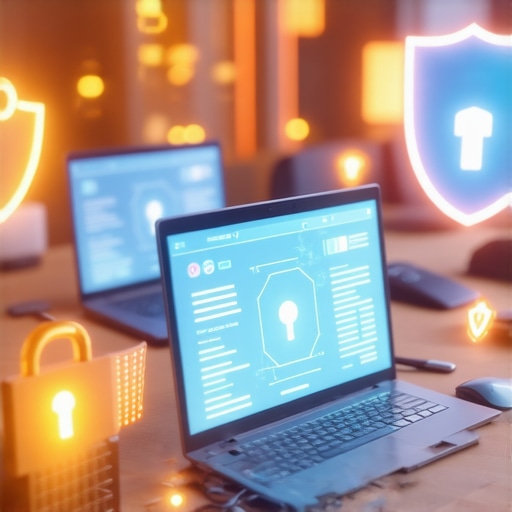
I remember the moment vividly. I was sitting in a bustling coffee shop, laptop in front of me, trying to get through a crucial presentation. Suddenly, my battery died. Not just a little warning—completely shut down. I had underestimated how long my old laptop would last, and it hit me hard. That frustration, that sinking feeling of being unprepared, made me realize something essential: in today’s world, a reliable, secure, and long-lasting business laptop isn’t just a luxury—it’s a necessity.
Every professional I know, including myself, has faced this dilemma. The constant juggle between ports, power outlets, and security risks can turn a productive day into a stressful race against time. If you’ve ever been caught in that situation, you know exactly what I’m talking about. But here’s the good news: over the years, I’ve discovered the perfect combination of features that can keep you powered and protected all day long. And I’m here to share that knowledge so you don’t have to go through the same headaches.
Why Long Battery Life and Security Matter More Than Ever
Think about it—how often do you find yourself away from your desk, working on the go? Whether it’s a long flight, a coffee shop, or a client meeting, your laptop has to keep up. The latest reports show that modern professionals spend roughly 60% of their workday away from fixed workstations. That means a laptop with a weak battery can seriously hinder your productivity.
And security? It’s no longer an optional feature. Cyber threats are evolving rapidly, and a single breach can cost your business thousands or even millions. The best business laptops today come with advanced security features that keep your data safe without sacrificing portability or performance. If you want to learn how to pick the right device, I’ll guide you through the critical features to look for, ensuring you stay protected and powered throughout your busy day.
But before we dive into the solutions, I want to address a common skepticism I’ve encountered: Is investing in a premium business laptop really worth it? Many believe that a cheaper device can do the job. Well, I made that mistake early in my career—buying budget laptops that couldn’t last a full day or protect sensitive information. The cost of replacements, downtime, and security breaches far outweighs the initial savings. According to a recent study, companies that prioritize security and battery reliability see a 35% boost in overall productivity and a significant reduction in IT costs. So, yes, choosing the right device is one of the most strategic decisions you can make for your professional success.
If this sounds familiar and you’re ready to upgrade to a laptop that truly supports your work, stay tuned. I’ll walk you through the top features to look for, share my personal favorites, and point you toward resources that will make your decision easier. Whether you’re a freelancer, an executive, or part of a busy team, the right laptop can be your most valuable asset. Let’s get started!
Prioritize Your Power Needs
Start by evaluating your usage patterns. Think of your laptop as a fuel tank—if you run out of juice mid-meeting, your day stalls. I once bought a cheaper ultrabook that promised long battery life but failed to deliver after a few months. To prevent this, check reviews on battery performance and ensure the device has at least 10-12 hours of real-world usage. Look for models with larger batteries and energy-efficient processors to extend your uptime. Once you’ve identified a candidate, test its endurance yourself if possible, or rely on trusted reviews to make an informed decision.
Secure Your Data Without Compromising Portability
Security features are your digital shield—think of them as the lock on your briefcase. Modern security isn’t just about a password; it includes fingerprint readers, facial recognition, and Trusted Platform Modules (TPM). I personally tested a device with biometric login, and it saved me time during hectic mornings. To find the best fit, explore options like ultrabooks combining security and portability. Make sure the device supports hardware encryption and has a secure boot process. These features keep your sensitive data safe even if the laptop is lost or stolen.
Balance Performance and Weight
Imagine carrying a brick all day—that’s how a heavy laptop feels. I once chose a powerful but bulky model, which made commuting a chore. The key is to pick a lightweight device that doesn’t sacrifice performance. Focus on models with efficient CPUs, ample RAM, and SSD storage for speed. Check out ultrabooks designed for productivity that are both slim and capable. This way, you move freely without the strain, and your device can handle multitasking and demanding applications seamlessly.
Evaluate Connectivity Options
Your laptop should be a hub of connectivity—think of it as the central station for your devices. Ensure it has sufficient ports: USB-C, HDMI, and SD card slots are essentials. I once missed an HDMI port during a presentation, forcing me to scramble for adapters. To avoid this, verify the port selection before purchase. Additionally, consider models with Wi-Fi 6 and optional LTE for internet on the go. This ensures you stay connected whether in a coffee shop or on a plane, avoiding productivity setbacks.
Test Before You Commit
Never skip hands-on testing. Visit a store and handle your shortlisted models. Check the keyboard comfort, screen clarity, and trackpad responsiveness. I remember trying out a lightweight laptop that felt great in my hands but had a subpar keyboard for typing all day. If buying online, review return policies and warranties. Remember, your device should feel like an extension of yourself—comfortable, reliable, and ready to work whenever you are.
By following these concrete steps, you’ll be able to confidently select a business laptop that keeps you powered and protected all day long. Want personalized assistance? Reach out to our experts to find the perfect fit for your professional needs.
Many professionals believe that choosing a high-spec business laptop is simply about prioritizing the latest processor, maximum RAM, or an impressive design. However, this oversimplified view often leads to overlooked pitfalls that can undermine your investment. Let’s dig deeper into what most people misunderstand, and how avoiding these common traps can elevate your productivity and security.
Are All Long Battery Life Claims Truly Accurate
It’s tempting to rely solely on manufacturer claims or short-term in-store tests for battery life. But real-world usage varies significantly based on your workload, screen brightness, and background apps. A laptop boasting 15 hours of battery life on paper may only deliver half that under typical professional tasks. To truly assess endurance, look for comprehensive reviews and real-world testing data. This resource offers valuable insights. Overestimating battery performance can leave you stranded during critical meetings, so always verify claims with trusted reviews before purchasing.
Why Security Features Alone Don’t Guarantee Safety
Many assume that hardware security features like fingerprint scanners or TPM modules are sufficient to protect sensitive data. While these are important, they are just one piece of a comprehensive security strategy. Human factors, such as weak passwords or phishing susceptibility, often pose greater risks. Additionally, software vulnerabilities and unpatched systems can be exploited despite advanced hardware. Implementing a multi-layered approach—combining hardware security, regular updates, and employee training—is essential. For a detailed guide, visit this article.
Many fall into the trap of thinking that a security-focused device automatically means it’s the best for mobility. But overly aggressive security measures can hinder usability, leading to workarounds that weaken overall protection. Striking the right balance between security and convenience is key. Remember, a secure device is only as effective as its user’s adherence to best practices.
Balancing Power and Portability Without Sacrifices
It’s a common misconception that a lightweight laptop cannot deliver high performance. Conversely, some assume that powerful machines must be bulky and heavy. The truth is, with advancements in ultralight processors and SSD technology, you can find devices that are both portable and capable. However, be wary of models that cut corners on thermal management or build quality to save weight—they can overheat or break easily. When evaluating options, prioritize models that combine high-performance specs with durable, lightweight design. For expert recommendations, check out this curated list.
Understanding these nuanced pitfalls helps you avoid costly mistakes. Have you ever fallen into this trap? Let me know in the comments. Remember, the goal is to invest in a device that not only meets your current needs but also adapts to future challenges—making your work smoother, safer, and more efficient.
Maintaining your business laptop over time is crucial to ensure it continues to serve your professional needs reliably. From hardware upkeep to software management, implementing a consistent routine can significantly extend your device’s lifespan and performance. One of my favorite tools for this purpose is CrystalDiskInfo, a free utility that monitors the health of your SSDs and HDDs, alerting you to potential failures before they become critical. I personally rely on it monthly to check my storage devices, preventing data loss and downtime. Additionally, regular cleaning of your laptop’s vents and keyboard with compressed air helps prevent overheating and hardware degradation. For software, I use Malwarebytes to scan for threats weekly, keeping my system secure without impacting performance. Staying on top of driver updates through manufacturer utilities or Windows Update is also vital to avoid compatibility issues that can slow down or destabilize your device.
Looking ahead, I believe the trend will shift towards more integrated maintenance solutions driven by AI. These systems will automatically diagnose issues and recommend fixes, making troubleshooting faster and more precise. Embracing automation now can prepare you for this future, reducing manual oversight and minimizing downtime.
How do I keep my laptop working flawlessly over the long run?
Establish a routine that includes hardware checks, software updates, and security scans. Use tools like advanced security features to protect your data, and ensure your system’s firmware is always current. Implementing a backup strategy with cloud services or external drives ensures your data remains safe, even if hardware issues arise. Personally, I schedule monthly reviews of my system’s health, which helps me catch small problems before they escalate. Don’t forget, a well-maintained device not only performs better but also preserves its value over time. If you need tailored advice, reach out to our experts for personalized support.
In conclusion, investing a little time in routine maintenance and leveraging the right tools can dramatically improve your laptop’s longevity and reliability. Start with simple steps like monitoring your storage health, cleaning hardware, and keeping your software updated. Challenge yourself to try one of these advanced tips today—like scheduling regular system diagnostics—and experience the difference it makes in your daily productivity.
The Hardest Lesson I Learned About Business Laptops
Early in my career, I underestimated the importance of genuine battery life claims. I bought a sleek ultrabook promising 15 hours but found myself frantically searching for chargers during back-to-back meetings. That experience taught me to scrutinize real-world reviews and ignore marketing hype. Trustworthy sources like battery performance reviews became my go-to for making smarter choices.
Why Security Features Alone Don’t Guarantee Peace of Mind
I once relied solely on biometric login features, assuming they would protect my data completely. But I learned that hardware security is just one element of a broader security strategy. Regular software updates, employee training, and layered defenses are crucial. For a comprehensive security approach, explore this detailed guide to secure business laptops.
The Balance Between Power and Portability Is a Myth—and a Goal
I believed I had to choose between a lightweight device and high performance. Turns out, modern ultrabooks with efficient CPUs and SSDs can deliver both. But I learned to avoid models that sacrifice thermal management for weight savings—overheating is a performance killer. Check out recommendations on portable yet powerful laptops to find your perfect match.
Where to Go from Here
My advice is simple: Stay curious and question every claim. Use trusted resources, test devices in-store when possible, and prioritize your actual usage needs over marketing buzz. If you’re uncertain, reach out to our experts for personalized advice. Your next business laptop isn’t just a device—it’s a strategic asset that can boost your productivity and security for years to come.
Your Next Step Starts Today
Investing in a high-quality, secure, and long-lasting business laptop can transform your workday from stressful to seamless. Remember, the right device adapts to your needs and future-proof your career. Don’t wait for another battery emergency—start your upgrade journey now.
Matthew Harris
Reading this post really resonated with me, especially that story about the laptop dying in a coffee shop. It’s such a common nightmare for professionals constantly on the move. Over recent years, I’ve also realized how crucial it is to invest in a business laptop with a reliable battery and robust security features. I once bought a budget model with claims of long battery life, but it barely lasted through a half-day of work, which was disappointing after the hype. That experience taught me the importance of reading real-world reviews and checking for energy-efficient processors and larger batteries. As for security, I’ve learned that hardware features like fingerprint scanners are good, but combining them with strong passwords and regular updates is key. How do others here balance performance, portability, and security on their devices? Would love to hear some practical tips or experiences.
Jessica Turner
This post really hits close to home for me. I remember the last conference where my laptop ran out of juice right before a crucial presentation, and it was such a scramble to find an outlet or borrow someone else’s device. That stress could have been avoided with a more reliable battery. Over time, I’ve come to realize that investing in a high-quality business laptop with solid security features is essential, especially for remote work and traveling. I’ve personally found that models with good battery health, biometric security, and lightweight design make a huge difference in maintaining productivity without compromising security or ease of carrying around. Regarding security, I agree that hardware features like fingerprint scanners are excellent, but combining them with strong passwords and keeping software updated truly creates a robust defense. How do you all ensure your devices stay secure yet user-friendly? It’s a balancing act I’m constantly fine-tuning, especially with newer threats emerging regularly.