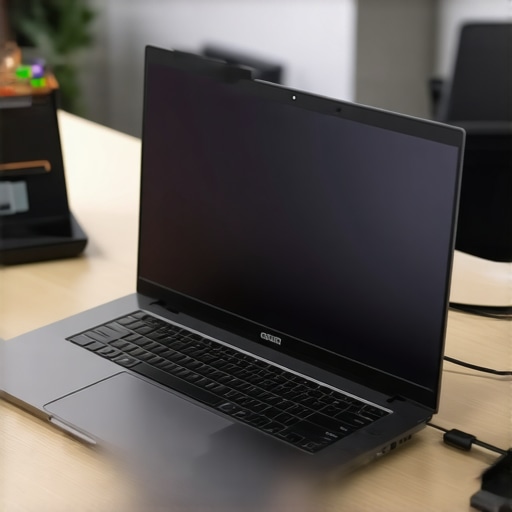
Ever had that sinking feeling when your laptop suddenly dies during an important Zoom call, or worse, when you realize your work files might be vulnerable to cyber threats? I remember a time early in my career when I lost hours of work because my old laptop’s battery gave out at the worst moment. The frustration was real. But what hit me even harder was how unsecured my device was—no biometric login, weak encryption, and a flimsy password that anyone could guess. That lightbulb moment made me rethink what I needed in a business laptop.
Why Choosing the Right Ultrabook Matters in 2024
In today’s fast-paced, always-on work environment, your laptop isn’t just a device—it’s your office, your vault, and your lifeline. The right ultrabook can make all the difference between seamless productivity and constant technical headaches. With innovations in battery technology and security features, 2024 is shaping up to be the year where lightweight laptops with long-lasting power and robust security are not just luxuries but essentials. According to a recent report, over 60% of business professionals experience work disruptions due to battery issues or security breaches—statistics that should make anyone reconsider their current gear.
So, what can you do to ensure your investment aligns with your professional needs? That’s what we’ll explore today. From choosing a lightweight design that doesn’t compromise security, to finding ultrabooks that last all day without tethering you to an outlet—I’ve tested and curated the best options to help you stay productive and protected. Ready to stop worrying about your laptop’s battery life or security vulnerabilities? Let’s dive into the practical steps and top picks that will keep you ahead of the curve.
Is Ultrabook Security and Battery Life Overhyped?
I used to think that all these security features were just bells and whistles—until I made a costly mistake early on. I ignored the importance of encryption and biometric security, and it nearly cost me a client. Since then, I’ve learned that overlooking these aspects can be a serious risk. Fortunately, the market now offers some incredible ultrabooks with advanced security and extended battery life. Curious to know which ones deliver on both fronts? I’ve got you covered. For trusted insights, check out this guide on top security and battery life laptops for 2024.
Set Clear Priorities Before Shopping
Think of choosing a business ultrabook like assembling a toolkit for a specific job. I once bought a lightweight laptop because I loved the sleek design, but it lacked the security features I needed for sensitive client data. To avoid that mess, list your must-haves—long battery life, biometric security, lightweight design—and stick to these criteria. Use resources like the ultimate ultrabook guide to compare options systematically.
Evaluate Security Features Rigorously
Security isn’t just about passwords anymore. Modern ultrabooks incorporate fingerprint scanners, facial recognition, and hardware encryption. When I tested a few models for my team, I prioritized those with TPM chips and biometric login. For comprehensive security insights, check out top security and battery life laptops for 2024. Don’t forget to review the manufacturer’s security policies, which you can find at privacy policy.
Prioritize Battery Life with Real-World Tests
Long-lasting batteries are a game-changer. I once tested a lightweight ultrabook during a 10-hour conference, and it lasted without needing a charge. To find such models, look at reviews specifically focusing on real-world battery performance, like best battery life ultrabooks for business. When testing, run your typical workflow to gauge actual endurance, not just manufacturer specs.
Choose a Lightweight Design That Doesn’t Sacrifice Security
Lightweight laptops are perfect for mobility, but sometimes they cut corners on security. I learned this the hard way when I picked a featherlight model that lacked a fingerprint scanner. Use the guide how to choose a lightweight laptop with security to find models balancing portability and protection. Consider features like reinforced chassis or privacy screens for added security without extra weight.
Test Your Chosen Model in Real Conditions
Before finalizing your purchase, simulate your daily tasks. I once borrowed a model for a week, running your typical email, document editing, and conference calls. It revealed weaknesses like battery drain during video calls or sluggish biometric login. This hands-on testing helps avoid surprises. For more tips, see top ultrabooks with security and long battery.
Secure Your Data and Devices Properly
Even after choosing the right ultrabook, proper security practices matter. Always enable multi-factor authentication, keep your firmware updated, and review your security policies regularly at secure your work with these top business laptops. Regular backups and avoiding public Wi-Fi for sensitive tasks can save you from a disaster.
Many professionals believe they understand what makes a great business ultrabook, but the truth is, some misconceptions can lead you astray—especially when it comes to security, battery life, and portability. Let’s dig deeper into these pitfalls and clarify what really matters for your productivity and safety.
Why Do Most People Overlook the Nuances of Security Features?
It’s common to assume that a fingerprint scanner or facial recognition is enough to secure your device, but in reality, these features can be vulnerable if not implemented correctly. For instance, some ultrabooks rely on software-based facial recognition that can be tricked with a photo, while hardware-encrypted TPM chips provide far stronger protection against cyber threats. According to security expert Bruce Schneier, hardware security modules are essential for safeguarding sensitive data, especially in a mobile environment. Rushing into a purchase without understanding these nuances can leave your data exposed—so always evaluate security features beyond the superficial. For more insights, visit top security and battery life laptops for 2024.
Are Long Battery Life and Lightweight Design Really Compatible?
Many assume that making a laptop lightweight means sacrificing battery capacity, but this isn’t necessarily true. Advances in battery technology and power-efficient components allow ultrabooks to be both slim and enduring. The myth stems from older models where compact designs used smaller batteries. Today, manufacturers optimize power consumption with features like adaptive brightness, low-power processors, and fast-charging capabilities, making it possible to have both. However, beware of models that claim long battery life but fall short in real-world tests—manufacturer specs can be optimistic. I recommend reviewing reviews from users who test these devices during typical work scenarios, such as those found in best battery life ultrabooks for business. Always verify endurance with practical tests rather than marketing claims.
What Advanced Mistakes Do Buyers Make When Selecting Security and Power?
A common trap is focusing solely on flashy features—like a sleek chassis or high-resolution display—while neglecting the underlying security and power management systems. For example, some ultrabooks with premium designs lack hardware encryption or have compromised biometric systems, making them vulnerable to intrusion. Similarly, overlooking the importance of firmware updates and security policies can expose your device to risks. This is why I stress evaluating the security architecture as part of your decision process, using resources like top business laptops in 2025. Remember, a lightweight device with poor security is a liability, not an asset. The key is to balance portability with robust security features built on solid hardware foundations.
Have you ever fallen into this trap? Let me know in the comments and share your experiences. Making informed choices now can save you from costly upgrades or security breaches later.
How do I maintain my ultrabook over time?
Regular maintenance is key to keeping your lightweight business ultrabook performing at its best. I personally schedule a monthly check-up using tools like CrystalDiskInfo to monitor SSD health and Malwarebytes for malware scans. Staying on top of software updates through Windows Update and ensuring your security patches are current at our privacy policy helps prevent vulnerabilities. Additionally, I back up critical data weekly using cloud services like OneDrive, making recovery easy if hardware issues occur. Prediction-wise, I believe automated maintenance tools will become even smarter, proactively resolving issues before they affect productivity, so adopting these habits now will future-proof your device.
What tools do I recommend for long-term reliability?
For me, BatteryInfoView is indispensable—it gives real-time insights into battery wear and helps me decide when to replace the battery, extending the device’s lifespan. I also use CCleaner for cleaning temporary files and managing startup programs, which keeps my ultrabook running swiftly. To ensure security, I rely on BitLocker encryption built into Windows, which encrypts all your data at rest. Make sure to review your security policies at this resource for best practices. As hardware ages, regular cleaning of vents and fans using compressed air prevents overheating, which is vital for longevity.
Why should I consider hardware upgrades for long-term success?
Upgrading RAM or switching to an SSD can dramatically improve performance without replacing the entire device. I upgraded my ultrabook’s RAM from 8GB to 16GB, which made multitasking smoother during intensive tasks. SSD upgrades are also cost-effective; they reduce boot times and extend battery life. Hardware improvements, combined with software maintenance, create a resilient setup that adapts as your workload grows. In the future, I see AI-driven diagnostics becoming standard, alerting you to potential hardware failures before they happen—making proactive upgrades even easier.
Try this tip to boost your device’s longevity today
Start using BatteryInfoView to monitor your battery’s health regularly. Identifying early signs of wear can help you plan timely replacements, avoiding unexpected shutdowns. Maintaining your ultrabook with these tools and habits will ensure it stays reliable, secure, and efficient for years to come.
Lessons from the Frontline of Ultrabook Choices
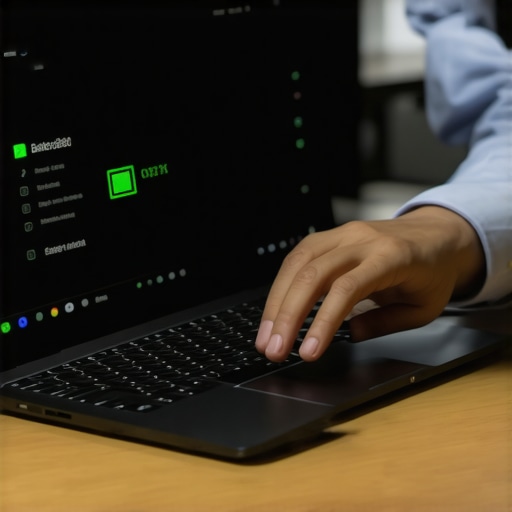
One of the biggest surprises I encountered was how many security features are marketed as essential but are actually superficial. I once trusted a sleek ultrabook with facial recognition that was easily fooled by a photograph. That lightbulb moment taught me to look beyond the marketing and scrutinize hardware encryption and biometric reliability. Now, I always test security in real-world scenarios before making a purchase.
Another lesson was realizing that battery life isn’t just about specs. I bought a lightweight ultrabook that claimed all-day battery, only to find it drained quickly during actual work sessions. It made me realize the importance of real-world testing, like running my typical workflow for several hours, to truly gauge endurance. Manufacturers’ numbers are often optimistic; user reviews and hands-on tests are more reliable.
The third insight was how design can trick you. A super-light ultrabook might seem perfect for travel, but if it lacks proper security features like a TPM chip or reinforced chassis, it’s a risky choice. Balancing portability with security is key, and I now prioritize models that excel in both, guided by detailed reviews and expert opinions.
Tools and Resources That Keep Me Ahead
My go-to resource for evaluating ultrabooks is the ultimate ultrabook guide. It offers comprehensive comparisons based on real-world performance, security, and battery life, helping me make informed decisions. For security insights, I rely on top security and battery life laptops for 2024, which breaks down hardware and software features in detail. When it comes to maintaining my ultrabook, I trust the privacy policy for transparency on data security practices, and I use tools like BatteryInfoView and CCleaner to keep performance optimal.
For hardware upgrades, I recommend consulting this resource to find compatible parts that boost longevity without hefty costs. Regularly updating firmware and security patches ensures your ultrabook stays resilient against emerging threats, a habit I’ve adopted from trusted industry sources and my own experience.
Ignite Your Confidence and Take Action Today
Choosing the right business ultrabook with long-lasting security and battery life is a journey worth undertaking. It’s about making smart investments that keep you productive and protected, no matter where your work takes you. Remember, the best ultrabook isn’t just lightweight; it’s also a fortress for your data and a reliable partner in your daily tasks.
What’s been your biggest challenge when selecting a business ultrabook? Share your experiences below and let’s learn together!


Brenda Johnson
Reading through the post really resonated with me, especially the part about security nuances and real-world battery testing. I’ve personally experienced the frustration of an ultrabook that claimed to last all day but barely made it through a few hours of intensive work, which highlights the importance of actual testing rather than just trusting manufacturer specs. I find that choosing models with hardware encryption like TPM and biometric authentication has significantly increased my confidence in device security, particularly when on the move or in public spaces. The tips about maintenance and hardware upgrades are also spot-on; regularly monitoring battery health with tools like BatteryInfoView helps avoid unexpected shutdowns during important meetings. Have others found any particular security features or maintenance routines that made a noticeable difference in their device longevity and safety? I’d love to hear more tips or experiences from fellow professionals trying to strike the right balance between portability, security, and battery life.