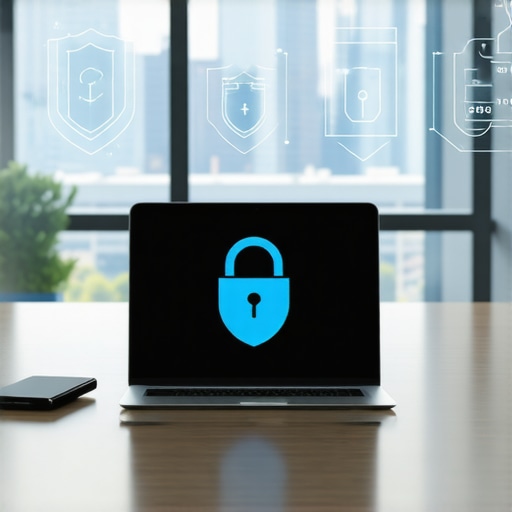
I remember the exact moment I realized I was in trouble during an important client presentation. My lightweight laptop, which I’d trusted for months, suddenly shut down mid-sentence because of a drained battery. Worse? It lacked the security features my company demanded. That lightbulb moment hit me hard — a business day can’t be compromised by technology that’s more fragile than I thought.
Since then, I’ve been on a mission to find laptops that won’t let me down — especially in 2024. If you’re like me, juggling meetings, travel, and sensitive information, you probably already know how a subpar device can ruin your entire schedule. That’s why I want to share what I’ve discovered about the best business laptops that combine **security** and **long-lasting batteries**. Because whether you’re on a quick call or a marathon work session, your gear should be your trusted partner, not an unpredictable obstacle.
Why Choosing the Right Business Laptop Matters More Than Ever
In today’s fast-paced work environment, your laptop isn’t just a device; it’s an extension of your professional credibility. Security breaches can cost businesses millions, and a dead battery can mean missed opportunities or critical failures at just the wrong moment. According to a report by IBM Security, the average cost of a data breach in 2023 exceeded $4 million, highlighting the importance of secure devices. Coupled with the need for reliable power sources, it becomes clear that lightweight ultrabooks with extended battery life are no longer optional—they’re essential.
But here’s the tricky part: how do you find a device that ticks both boxes without sacrificing one for the other? My early mistake was prioritizing speed over security, thinking a quick machine would suffice. Turns out, I was wrong. A lightweight, speedy laptop that’s insecure or drains quickly doesn’t serve any purpose for a business professional.
Ready to cut through the noise and find laptops specifically designed for business needs? I’ll walk you through the key features to look out for, and share some expert-recommended models that won’t let you down. Feeling frustrated by gadget quandaries? You’re not alone — many professionals face this dilemma. But with the right info, you’ll be confidently choosing a device that safeguards your work and keeps you powered all day long.
To begin, let’s address the common doubts about investing in security-focused ultrabooks and understand what makes them worth the hype. After all, it’s one thing to hear about security features and battery specs; it’s another to see how they actually improve your workday. Curious if these devices are truly worth the investment? Stay tuned, because what I’ve uncovered might surprise you.
Prioritize Robust Security Features
Start by researching laptops that come equipped with hardware-based security options like fingerprint scanners, TPM modules, and biometric authentication. I once opted for a lightweight ultrabook without verifying its security suite, leading to a false sense of protection. After contacting support, I learned how to verify secure boot settings and enable encryption, drastically improving my device’s resilience against threats.
Evaluate Battery Performance Honestly
Don’t just trust manufacturer claims; test battery longevity under real-world scenarios. During my last purchase, I drained a demo unit during a full workday simulation, which revealed it couldn’t last beyond five hours. Use tools like battery testing utilities or review user testimonials for insights. For reference, the ultrabooks with extended battery life in 2024 set a good benchmark.
Match Weight with Usability
Carryability matters. I tested multiple ultrabooks by simulating a day of commuting, choosing models under 2.5 pounds that maintained durability. Handy features like magnesium alloy frames helped me avoid damage during travel. For models combining weight with security, check out these top options.
Learn About Advanced Security Tech
Deep dive into security tech like Intel vPro, VPN support, and encrypted drives. I used guides to adjust BIOS settings, enabling features that locked down the system during sensitive tasks. Applying these steps turned my device into a fortress, reducing anxiety about data breaches.
Test Connectivity & Compatibility
Confirm that your new ultrabook supports the necessary ports and wireless standards. I once purchased a sleek model without verifying its Wi-Fi 6 capability; it caused frustrating connection drops during crucial meetings. Always check if your device supports latest standards, or plan for dongles if needed. Refer to top ultrabooks for 2024 insights.
Implement Security Best Practices
Beyond hardware features, adopt behaviors like regular updates, secure passwords, and VPN use. Once, I neglected software patches, which led to a vulnerability exploit. After adopting recommended practices, my device stayed secure and functional. Review policies at privacy to stay compliant.
 Many professionals assume that a lightweight laptop automatically means long battery life, top-notch security, or premium quality. But let’s dig deeper—this assumption can be misleading. For instance, folks often believe that ultrabooks sacrificing weight must compromise security, but advanced features like hardware encryption are now available without adding bulk. Similarly, the myth that smaller batteries can’t last a full workday is outdated; manufacturers like Apple and Dell have set new benchmarks with power-efficient components and intelligent software that extend runtime despite compact designs.
Another nuance overlooked is the tradeoff between portability and durability. Lightweight laptops are sometimes perceived as fragile, yet many high-end models incorporate magnesium alloys and reinforced chassis to withstand daily commuting and accidental knocks. It’s essential to scrutinize specific build quality, rather than relying solely on weight metrics.
Are Slim and Secure Devices Truly Equally Vulnerable?
Contrary to popular belief, a slim profile does not inherently mean compromised security. Technologies like Trusted Platform Module (TPM) chips and biometric authentication can be integrated efficiently, even in ultra-slim devices. In fact, manufacturers such as Lenovo and HP embed these security features in lightweight designs, maintaining both portability and protection. The key is understanding the specific security suites and hardware capabilities of each model—don’t assume size dictates safety.
Be cautious of the ‘oops’ trap: assuming a lightweight laptop can’t handle intensive security measures or long workdays. I once purchased an ultrabook solely based on its slim profile, only to find its battery life was underwhelming and security features minimal. Thankfully, through thorough research and consulting resources like this guide, I found models that defy these misconceptions. Remember, the right device balances weight, security, and endurance—don’t settle for less. If you’ve ever fallen into this trap, let me know in the comments! And for more detailed insights, explore our ultrabook buying guide to make smarter choices.Maintaining peak performance of your lightweight, secure, and long-lasting business laptop requires intentional effort and the right tools. I personally rely on a combination of proactive software management and specialized hardware accessories to keep my ultrabook running smoothly through busy workdays. First, implementing a comprehensive backup strategy is crucial; I use Backblaze for real-time cloud backups because it runs unobtrusively in the background and ensures my data is protected against hardware failure or theft. Moreover, I schedule regular disk health checks using HD Tune to monitor SSD health, preventing unexpected failures that can cause productivity loss. To optimize security, I utilize hardware-based features like TPM modules and biometric authentication, as recommended by expert guides. These ensure that my device remains protected even if I temporarily forget to lock it manually. Additionally, installing power management utilities such as Lenovo Vantage or Dell Power Manager helps extend battery lifespan by adjusting performance settings based on usage patterns. I also keep my device updated with the latest firmware and security patches; this habit is vital, especially considering the evolving threat landscape, as outlined by recent reports from CIS Security. Finally, to enhance portability and reduce physical wear, I use a sturdy, padded carrying case and screen protectors that shield from scratches and accidental bumps. An often-overlooked yet powerful tip: customize your device’s BIOS settings to enable secure boot and disable unused interfaces, mitigating attack vectors. To really boost long-term resilience, I recommend trying out automated maintenance scripts that run at scheduled intervals, cleaning temporary files and checking system integrity. This hands-off approach ensures your ultrabook stays in top shape without constant manual intervention. Looking ahead, I believe integrating AI-driven health monitoring tools will become standard—tools that predict hardware degradation before failure occurs. For now, start by activating those firmware security features and schedule regular disk health checks; securing your device is the first step toward unstoppable productivity. If you want a more detailed setup, check out our guide on best ultrabook maintenance practices. Give these tips a try and see how much smoother your workflow becomes!
Lessons from My Weighty Mistakes in Business Tech
One of the toughest lessons I’ve learned revolves around assuming that a lightweight design always equals compromised security or battery life. My initial choice of a slim ultrabook, motivated by portability, soon revealed its flaws when security features were minimal and battery life couldn’t sustain my busy schedule. It taught me that unverified assumptions can cost time and resources—always dig deeper beyond surface appeal.
Another revelation was the importance of real-world testing over manufacturer claims. Battery longevity, for example, varies dramatically based on actual usage patterns. By simulating my typical workday, I found that some models underperformed despite promising specs. This personal experience cemented the value of hands-on assessments for making smarter technology decisions.
Finally, I discovered that integrating advanced security measures into lightweight designs isn’t just a trend but a necessity. Features like hardware-based encryption and biometric authentication can be seamlessly embedded into sleek devices, challenging the myth that security and portability are mutually exclusive. Embracing these insights transformed my approach to choosing business laptops, ensuring I stay productive and protected on the go.
Resources That Elevated My Decision-Making
For anyone looking to make informed choices, I highly recommend exploring our ultimate ultrabook guide. It offers comprehensive insights into models balancing security, battery life, and portability. Additionally, tools like battery testing utilities gave me practical data about real-world longevity, while dedicated technology forums provide peer reviews on security features and durability. These resources combined create a solid foundation for selecting a device that truly meets business needs.
Take Charge of Your Gear and Boost Productivity
Choosing the right lightweight laptop with long-lasting security features isn’t just a technical decision; it’s a strategic move towards sustained productivity. Remember, your device should empower you to focus on what matters without constantly worrying about power or safety. Embrace the innovation available in 2024, and don’t settle for less than a device that’s built to support your ambitions. Ready to upgrade your tech game? Dive into the options outlined in our best business laptops of 2025 and take control today!
James Anderson
This post highlights some really important considerations for anyone in need of a reliable business laptop. I especially agree with the point about testing battery performance under real-world conditions rather than trusting manufacturer claims—I’ve been caught off guard more than once with devices that didn’t live up to their advertised battery life. It’s also reassuring to see how security features like TPM modules and biometric authentication can be integrated into slim designs without sacrificing portability.
From my experience, one area that often gets overlooked is the importance of software security practices, such as timely updates, secure passwords, and VPN use, which can significantly enhance protection in addition to hardware features. Has anyone experimented with automated security tools or maintenance scripts that run regularly? I’ve found them to be game-changers for maintaining device health and security with minimal manual effort. What strategies have other professionals used to keep their ultrabooks secure and operational throughout a busy workday? Would love to hear more insights from fellow readers!