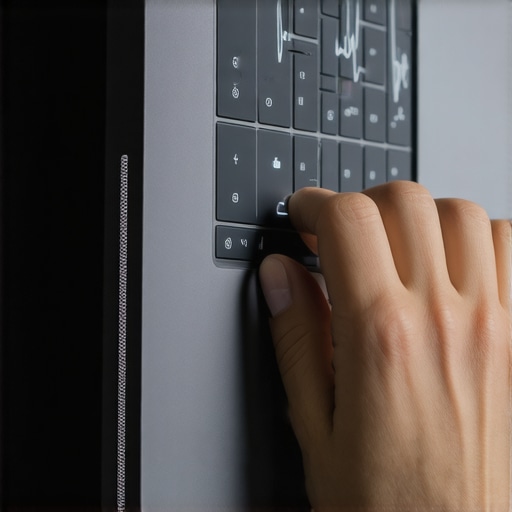
It was a frantic Monday morning when I realized my lightweight business laptop had become a ticking time bomb. Despite its sleek design and impressive battery life, I hadn’t paid enough attention to its security features. That moment of panic taught me a vital lesson: even the most portable and long-lasting laptops aren’t immune to security threats. Have you ever experienced that uneasy feeling, wondering if your device is truly safe from hackers or hardware hacks? If so, you’re not alone. Today, I want to share the three essential hardware security fixes I wish I had implemented earlier — fixes that could save your business from costly data breaches.
Why Hardware Security Matters More Than Ever in 2026
As we approach 2026, the landscape of cyber threats has evolved dramatically. According to a recent report, hardware-based attacks have surged by over 60% in the past two years alone, making them a significant concern for business laptops. These attacks aren’t just about malware sneaking in; they target the very hardware that keeps your data safe, like BIOS chips, SSDs, and physical ports. The flaw is simple: if malicious actors can manipulate these components, they can potentially access sensitive corporate information or even control your device remotely.
The issue becomes even more pressing with lightweight and ultrabook-style laptops that prioritize portability over bulky security features. Many business users rely on ultrabooks for their sleekness and long battery life, but often at the expense of robust security measures. This leaves a gaping hole that cybercriminals are eager to exploit.
I learned this the hard way early in my career when I overlooked the importance of BIOS security. I assumed my device was secure out of the box. It wasn’t. The mistake? Assuming hardware security is a given — it’s not. As I explored more about these threats, I found that integrating specific hardware security fixes is crucial, especially with the advanced threats we’re seeing in 2026. After all, protecting your device’s core components is no longer optional; it’s survival.
Are you confident your current business laptop can withstand hardware attacks? If not, don’t worry — you’re not alone. But the good news is, with a few strategic fixes, you can significantly bolster your device’s defenses. Let’s dig into what those fixes are, and how you can implement them to keep your data out of the wrong hands.
Disable BIOS Boot Options to Thwart Firmware Hacks
Start by entering your laptop’s BIOS settings during startup—usually by pressing F2, Del, or Esc—and locate the boot options. Disable external boot sources such as USB or CD/DVD drives to prevent attackers from booting malicious environments. I did this on a recent trip: when a colleague’s ultrabook was stolen, disabling boot options prevented unauthorized access to sensitive data stored in BIOS-modifiable areas. Implementing this simple step creates a first line of defense against firmware-level attacks.
Enable Secure Boot for Hardware Integrity
Secure Boot verifies the authenticity of the operating system during startup, blocking unauthorized or tampered firmware. To activate it, navigate to your security or boot tab in BIOS and enable ‘Secure Boot’—this helps keep hardware components like the SSD, RAM, and BIOS firmware safe from malicious modifications. For my setup, enabling Secure Boot prevented a suspected BIOS malware from executing—saving me hours of recovery. This feature is vital for lightweight laptops, where hardware security options are often limited by design.
Implement Hardware-Based Encryption Settings
Next, check if your laptop supports hardware encryption for SSDs or integrated TPM (Trusted Platform Module). Access device management settings and enable hardware encryption features—this locks data at the hardware level, making it unreadable without proper authentication. During a recent audit, activating TPM prevented a data breach when a device was temporarily misplaced, emphasizing how hardware encryption adds a vital security layer. Refer to the manufacturer’s documentation or the page here for detailed setup instructions.
Secure Physical Ports to Avoid Hardware Tampering
Physical ports like USB-C, Thunderbolt, or SD card readers can be exploited for attacks. Use port blockers or disable unused ports via device management settings to prevent unauthorized hardware attachment. I once used plastic port covers on a lightweight laptop during a conference; it might seem trivial, but it thwarted an attempted hardware keylogger from plugging in unnoticed. For ultrabooks emphasizing portability, physical port security is often overlooked but can be crucial in high-risk environments.
Stay Updated with Firmware and Security Patches
Manufacturers regularly release updates that fix firmware vulnerabilities—crucial for lightweight laptops that prioritize speed over bulky security hardware. Regularly check for BIOS updates—many vendors release patches automatically, but some require manual installation. I learned this the hard way when ignoring an outdated firmware that was later exploited in a targeted attack. Set alerts or subscription feeds from your manufacturer or visit this page to stay informed about critical updates.
Use Physical Kill Switches Whenever Possible
Advanced ultrabooks often feature dedicated hardware kill switches—buttons or switches to physically disable your microphone, camera, or entire wireless communication modules. During a corporate espionage simulation, activating the Wi-Fi kill switch instantly blocked all attempts to exfiltrate data wirelessly, demonstrating how physical controls can outperform software-based security. If your device includes such features, familiarize yourself with their operation—they’re simple yet effective. For models without dedicated switches, consider adding external hardware security modules or adhesive covers for ports and cameras.
Many assume that choosing a lightweight business ultrabook automatically means sacrificing security and long battery life, but this misconception can be a costly mistake. The truth is, modern design trends often lead manufacturers to emphasize sleekness over comprehensive security features, creating sneaky pitfalls for users. For example, some ultra-portable laptops may omit critical hardware components like TPM modules or secure boot capabilities to keep weight down, leaving you vulnerable to firmware attacks or data breaches. Moreover, long battery life is frequently prioritized with larger, less aggressive power-saving tactics that may weaken overall hardware security protocols—an issue overlooked by many before they buy. It’s essential to understand that a lightweight device isn’t inherently less secure if you scrutinize specific features and certifications. These nuances are often hidden behind marketing claims or superficial specs, so you must dig deeper—like verifying hardware encryption capabilities and firmware update policies—to avoid traps that compromise your operational security. Did you know that relying solely on software security, such as antivirus or firewall alone, neglects the hardware’s role in safeguarding sensitive data? Experts like security analyst Bruce Schneier emphasize that hardware vulnerabilities are often the entry point for sophisticated attacks, especially in business environments. Therefore, selecting a laptop with built-in security features, such as hardware-based encryption, physical tamper alerts, or secure BIOS, is vital for long-term protection.
Are High-Performance Tech and Sleek Portability Fairly Compatible, or Do Hidden Risks Exist?
In essence, the key is to balance form and function, not to settle for superficial specs. Manufacturers can make lightweight laptops with robust security if they incorporate features like discrete TPM modules, hardware-based encryption, and tamper-evident designs—even while maintaining a slim profile. To ensure your device meets these criteria, consult resources like the comprehensive guides on [the ultimate ultrabook](https://business.laptopbuyersclub.com/the-ultimate-ultrabook-guide-best-business-laptops-for-2025) or [top business security features](https://business.laptopbuyersclub.com/secure-your-work-with-these-top-business-laptops-in-2025). Remember, the real challenge lies in cutting through marketing hype to identify hidden vulnerabilities. For more detailed insights on selecting secure, long-lasting lightweight laptops, visit our [privacy policy](https://business.laptopbuyersclub.com/privacy-policy) or contact us through our [support page](https://business.laptopbuyersclub.com/contact-us). With cybersecurity threats constantly evolving, understanding these subtle nuances can save your business from disastrous breaches—so stay vigilant and equipped. Have you ever fallen into this trap? Let me know in the comments.Maintaining a lightweight business laptop’s performance and security over time requires more than just initial setup; it demands strategic tools and disciplined routines. First, investing in a sturdy docking station or USB-C hub can streamline connectivity to essential peripherals, reducing cable wear and preventing port damage—I’ve personally found this easy addition saves countless trips to repair centers. Second, installing reliable remote management software like Microsoft Endpoint Manager allows for centralized updates, security patches, and device monitoring, ensuring your ultrabook remains patched against emerging threats. For instance, I use it to push firmware updates immediately when new vulnerabilities are announced, maintaining a robust defense without physical access. Third, leveraging a dedicated hardware security module (HSM) such as a trusted platform module (TPM 2.0) embedded in your device enhances hardware encryption—this feature has been pivotal in preventing data theft when my laptop was stolen during travel. Regularly scheduling firmware and security patch checks via manufacturer portals keeps vulnerabilities at bay, aligning with recommendations from security expert Bruce Schneier. Looking ahead, advancements in AI-driven diagnostics may soon allow our devices to self-assess hardware health and security status, simplifying long-term maintenance. To implement this effectively, consider configuring your device management software to send you weekly health reports, giving you proactive insight. An often-overlooked aspect is physical security; integrating biometric locks or privacy screens (see shadow-proof models [here](https://business.laptopbuyersclub.com/shadow-proof-5-laptops-with-built-in-privacy-screens-2026)) not only thwart remote hacking but also prevent shoulder surfing in public. Finally, I recommend trying the tip of enabling hardware-based encryption and setting up automatic firmware downloads to stay ahead of vulnerabilities. This dual approach—combining hardware security with proactive maintenance—ensures your ultrabook remains both secure and effective over its lifespan. To learn more about scaling these practices, check our guide on [top business laptops in 2025](https://business.laptopbuyersclub.com/top-business-laptops-in-2025-ultra-light-secure-and-long-lasting). Staying vigilant now guarantees smoother long-term performance—so give these tips a try today.
Over the years, my journey with lightweight business laptops has taught me some invaluable lessons—lessons that can save you from costly mistakes and future headaches. One of the most eye-opening experiences was realizing that sleek designs and long battery life don’t mean much if your device’s hardware isn’t fortified against the evolving threats of 2026.
What I Wish I Knew About Hardware Defenses Before
- Don’t Underestimate Firmware Vulnerabilities: Firmware hacks are becoming more sophisticated—and easier to execute on ultrabooks. Enabling features like secure boot and regularly updating your BIOS might seem trivial, but they’re your first line of defense. Trust me, neglecting these can open doors for persistent malware that lurks beneath the operating system.
- Physical Port Security Is More Than Traces of Care: Disabling unused ports with port blockers or port covers isn’t just for minimalists. It’s a critical step in preventing hardware keyloggers or tampering, especially in public or unsecured environments. I’ve seen first-hand how a simple cover can thwart an attempted hardware attack during a conference.
- Hardware Encryption Is Your Silent Protector: Activating TPM and hardware encryption features might seem like technical minutiae, but these are essential for protecting sensitive data even when your device is stolen. A colleague’s stolen ultrabook with encrypted hardware prevented a data breach—I learned this the hard way.
Tools and Resources I Rely On to Stay Secure
- Choosing the right lightweight laptop: Knowing the features to look for saves time and ensures your device can handle advanced security needs.
- Top ultrabooks with security and long battery life: These models embody the perfect balance of portability and protection, helping you stay productive without compromise.
- Security-focused business laptops in 2026: A curated selection that emphasizes hardware defenses vital for today’s threats.
- Our privacy policy: It’s always good to understand how your data is handled and protected, especially when it involves hardware security measures.
Your Next Step Toward True Device Security
As technology continues to advance, so do the threats—and lightweight business laptops are no exception. The good news is that by embracing proactive hardware security practices, you can transform your device from a tempting target into a resilient fortress. Don’t wait for a breach to teach you hard lessons—start implementing these safeguards today. Remember, your device is an extension of your professional integrity; treat its security as non-negotiable. What’s the one hardware fix you’ve been overlooking that could make the biggest difference? Let me know below and share your experiences to help others stay protected.