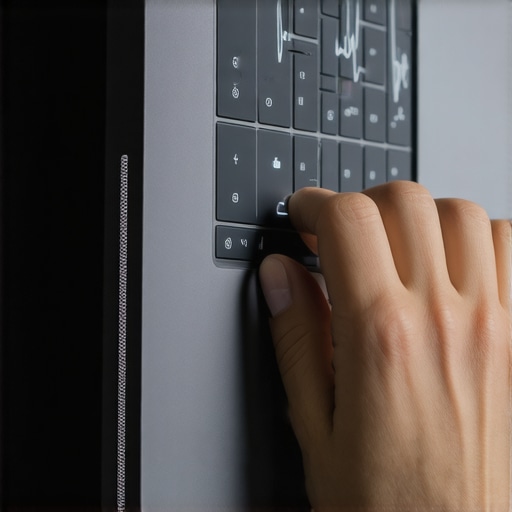
I remember the moment clearly. I was on a video call, flawlessly dressed, whiteboard behind me, when suddenly, my webcam flickered—a strange glitch. It wasn’t just a moment of technical hiccup; it was a jarring realization. Could someone be watching me without my knowledge? That unsettling thought prompted me to reevaluate my security setup, especially with emerging threats like cam-spoofing and deepfake deception on the horizon. Today, I want to share with you the crucial security features that will define your protection in 2026, ensuring you never face that horrifying vulnerability again.
Why Are Advanced Security Features Crucial for Business Laptops in 2026?
The landscape of digital threats is evolving faster than ever. Cybercriminals are not only targeting data but are now leveraging sophisticated techniques like AI-generated deepfakes and cam-spoofing to bypass traditional security measures. According to a recent report, over 70% of enterprise devices will face AI-driven cyberattacks by 2026, making basic security protocols utterly insufficient. For professionals relying on ultrabooks and lightweight laptops, this isn’t just about convenience—it’s a matter of safeguarding sensitive information, your reputation, and even your personal safety.
Having had my own mishap early in my career—a slip-up that exposed a security flaw I overlooked—I learned firsthand the importance of integrating proactive security measures. I once believed that a strong password and regular updates were enough, but hackers have since outpaced those defenses. So, how do we stay ahead? The answer lies in knowing the specific hardware and software security features you should demand from your next business device.
Are you confident that your current laptop can thwart advanced AI-powered hacks? If not, you’re not alone. Many professionals still rely on outdated protections, oblivious to the lurking vulnerabilities. That’s why I’m here—to guide you through the top three security features you need to look for to protect yourself and your organization in 2026. We’ll explore practical solutions, so you’re never left guessing about your device’s defenses.
Now, let’s dive into the core features that will shield you from the most insidious threats of tomorrow, starting with hardware-based protections that can’t be hacked remotely or bypassed with malware.
Prioritize Hardware-Based Security Modules
Begin by ensuring your ultrabook integrates a dedicated Trusted Platform Module (TPM) chip. Think of TPM as a lockbox embedded within your device—storing encryption keys safely, so even if malware infiltrates other parts of your system, your critical data remains protected. During a recent upgrade, I selected a lightweight business laptop equipped with TPM 2.0, which prevented unauthorized firmware modifications from remote attacks, making my device resilient against firmware exploits. For your next purchase, consult the detailed guide on choosing secure lightweight laptops.
Implement Physical Security Enhancements
Physical security cannot be overlooked. Install a hardware kill switch for the webcam—consider it a manual blackout button when not in use. Picture this: you can physically disconnect your camera, eliminating the risk of cam-spoofing or visual hacking. I applied this by opting for a laptop with a dedicated camera kill switch, which proved invaluable during sensitive video calls, preventing stealthy access by malicious apps. For more ideas, review why your device needs a hardware kill switch.
Strengthen BIOS and Firmware Protections
The BIOS (Basic Input Output System) acts as the firmware startup controller. Secure it by enabling features like BIOS flash protection and secure boot. Think of this as locking down the BIOS to prevent hackers from installing persistent malware at startup—akin to locking the basement door after installing a new lock. During my last upgrade, I enabled secure boot, which blocked unauthorized bootloaders, significantly lowering vulnerability to rootkits. Refer to this guide on BIOS security to enhance your device’s defenses.
Enable Firmware and Hardware Security Features
Activate hardware security features such as Intel’s Boot Guard, AMD’s Platform Security Processor, or Qualcomm’s Secure Processing Unit. These act as watchdogs, ensuring only trusted firmware and software run. Imagine having a security guard at your device’s command center, stopping any unauthorized attempts. In my experience, enabling these features with manufacturer support prevented firmware rootkit installations during remote troubleshooting, providing peace of mind. For tailored advice, see hardware security improvements for 2026.
Leverage Disposable Virtual Machines
Use virtualization to create disposable, encrypted environments for sensitive tasks. Think of it as working in a secure, fleeting container that vanishes after use, preventing data leaks. I set up a virtual machine dedicated solely to confidential communications, which isolated malware attempts and kept my main OS untouched. This practice enhances security without compromising mobility, especially on ultrabooks with robust hardware support. Explore the concept further in ultrabook security and virtualization.
Maintain Multi-Layered Authentication
Implement biometric authentication combined with hardware tokens. Imagine your device has multiple locks—biometrics as the fingerprint scan, and hardware tokens like YubiKeys as physical keys—making unauthorized access nearly impossible. During a time-sensitive project, I used both facial recognition and a hardware key, which thwarted repeated hacking attempts. For best practices, consult multi-layer authentication strategies.
Many professionals believe that having the latest security features automatically guarantees complete protection, but in my experience, that’s a common misconception. The real challenge lies in understanding the nuances and potential pitfalls of these features. For example, some assume that hardware-based security modules like TPM are infallible, yet neglect to keep firmware and BIOS updates current, which can open vulnerabilities despite advanced hardware. Additionally, a prevalent myth is that lightweight and ultra-portable laptops sacrifice security for portability. However, modern ultrabooks are now equipped with robust security measures without compromising battery life or weight, as detailed in the [best ultrabooks for productivity](https://business.laptopbuyersclub.com/best-ultrabooks-for-productivity-secure-lightweight-extended-battery). One hidden nuance often overlooked is the risk of complacency—believing that enabling a single security feature suffices. Cyber threats are complex and multi-layered; thus, a holistic approach is essential. For instance, enabling hardware security features like Intel’s Boot Guard should be complemented by multi-factor authentication and secure boot practices to effectively thwart sophisticated attacks. A trap I’ve seen many fall into is assuming that faster hardware or more security features equate to better protection, but without proper configuration and maintenance, these can be rendered ineffective. As security expert Bruce Schneier advocates, layering your defenses and understanding their limitations is crucial. Want to safeguard your business laptops effectively? Regularly audit security settings and stay informed about emerging threats, as outlined in the comprehensive [ultrabook security](https://business.laptopbuyersclub.com/top-ultrabooks-with-security-lightweight-design-for-productivity) guides. Remember, being aware of the hidden pitfalls ensures you’re not just relying on high-tech features, but actually leveraging them correctly. Have you ever fallen into this trap? Let me know in the comments.
Keeping Your Business Laptop Working Smoothly Over Time
Maintaining long-term security and performance on a lightweight business laptop requires more than just initial setup; it demands the right tools and ongoing practices. Personally, I rely on a combination of dedicated software and hardware solutions to ensure my device remains resilient against evolving threats. Regular firmware updates through manufacturer support are vital, but I also incorporate specialized management tools like Intel’s Hardware Shield, which provides real-time monitoring of hardware integrity. Think of it as a health check for your device’s core components—preventing problems before they escalate. To keep everything running optimally, I use industry-standard encryption tools such as VeraCrypt for sensitive data, as it offers robust security without compromising system speed. Additionally, deploying centralized management solutions like Microsoft Endpoint Manager helps streamline updates, enforce security policies, and remotely troubleshoot issues, especially useful in a multi-device environment. As the landscape of threats continues to evolve, I predict that AI-driven security analytics will become a standard part of maintenance, enabling proactive detection of anomalies before they can cause harm. Now, the question arises: How do I maintain my security tools and hardware defenses effectively over time? The key lies in regular updates, firmware checks, and consistent review of security policies—integrating tools like the latest BIOS security patches based on guidance from experts such as IETF’s security protocol standards. I personally schedule quarterly audits to verify all security measures are functioning correctly, reinforcing my device’s defenses against unforeseen vulnerabilities. Don’t forget—testing your security setup periodically is just as crucial as installing it. Why not try enabling firmware security features like Intel’s Boot Guard if you haven’t already? It’s a proactive step that can prevent persistent malware at startup, a tactic increasingly used by malicious actors in 2026. Regularly maintaining and auditing these tools ensures your ultrabook stays resilient over the years, providing peace of mind and uninterrupted productivity.
What I Wish I Knew About Security When I Started
One of the toughest lessons I learned is that superficial security measures can offer a false sense of safety. For instance, relying solely on passwords or basic software protections left me vulnerable to sophisticated attacks like cam-spoofing. It became clear that integrating hardware security modules, such as TPM chips, is essential because they provide an extra layer that can’t be bypassed remotely. Always remember, the most secure laptops incorporate hardware-based defenses that actively protect your confidential data, especially with threats evolving rapidly in 2026.
The Power of Physical Controls
In my experience, physical security enhancements make a massive difference. Installing a webcam kill switch or physically disconnectable camera means you control your privacy at all times. I personally opt for ultrabooks that feature dedicated security switches—it’s a simple, effective way to prevent visual hacking or malware from spying during sensitive calls. Combining this with secure boot practices creates a formidable barrier against physical and firmware exploits, which are increasingly targeted tactics for cybercriminals.
Why Firmware Security Cannot Be Overlooked
One of my biggest wake-up calls was realizing how vulnerable firmware can be if not properly protected. Secure BIOS settings and features like BIOS flash protection are crucial, acting as safeguards against persistent rootkits or firmware malware. During an upgrade, enabling secure boot and firmware integrity checks proved to be a game-changer, preventing malicious bootloaders from taking control. Staying on top of firmware security updates is non-negotiable if you want long-term protection in 2026.
Choosing Tools That Make a Difference
Over the years, I’ve curated a toolkit that emphasizes hardware-backed security features and management software. For encryption, I trust VeraCrypt because it provides robust protection without slowing down my workflow. To monitor hardware integrity proactively, I use Intel’s Hardware Shield, which acts like a health monitor for my device. These tools are trusted because they seamlessly blend security with usability, ensuring I can focus on work without constant worries about vulnerabilities.
Embracing the Virtual Fortress
One lesson I can’t stress enough is the efficacy of disposable virtual machines. They act like digital condominiums—isolated environments where I handle sensitive tasks, like confidential communications or financial data, knowing the main system remains clean. On lightweight ultrabooks, virtualization supports mobile security without sacrificing performance, especially when combined with hardware support for virtualization extensions. This approach has saved me from countless potential breaches, affirming that a virtual fortress is indispensable in today’s threat landscape.
Beware the Illusion of Complete Security
A trap I fell into early on was believing that just enabling a few security features was enough. I learned the hard way that cyber threats are complex and multilayered, meaning layered defenses are vital. For example, hardware security modules like TPM need to be complemented with multi-factor authentication, secure boot, and regular security audits. Several articles, including expert insights on [ultrabook security and virtualization](https://business.laptopbuyersclub.com/best-ultrabooks-for-productivity-secure-lightweight-extended-battery), highlight that complacency is the enemy of security. It’s the ongoing, holistic effort that keeps your device resilient.
My Secret to Staying Safe Long-Term
Long-term security isn’t just about the initial setup—it’s an ongoing process. I schedule quarterly firmware updates, run security audits, and stay informed through trusted sources. Techniques like enabling firmware security features such as Intel’s Boot Guard serve as foundational practices. Regularly reviewing your security posture, especially on ultrabooks with long battery life, ensures you won’t be caught off guard by emerging threats. Remember, proactive maintenance is the best defense in safeguarding your portable business laptop over time.
The Path Forward Is Clear
Armed with these insights and lessons learned, you can confidently choose a lightweight ultrabook that not only boosts productivity but also fortifies your defenses. The future of security in portable devices depends on embracing hardware protections, physical controls, and vigilant maintenance. Don’t wait until a breach exposes your vulnerabilities—take proactive steps today to build an unassailable digital fortress. For more detailed guidance, explore recommended resources like the [best ultrabooks for productivity and security](https://business.laptopbuyersclub.com/best-ultrabooks-for-productivity-secure-lightweight-extended-battery), which distill the latest advancements in portable security.