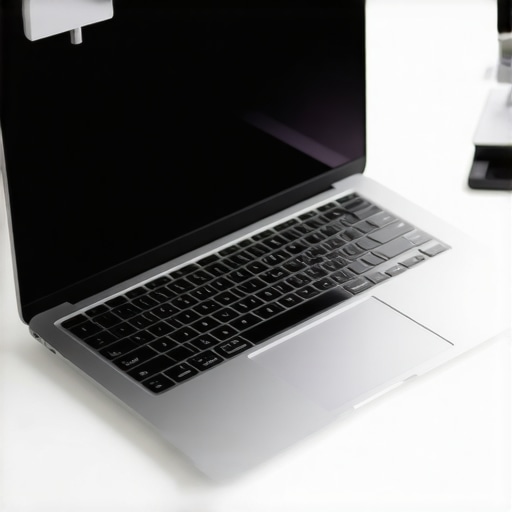
My Journey into the World of Ultrabooks: Finding the Perfect Balance
As a professional constantly on the move, I’ve always struggled to find a laptop that combines portability, security, and performance. I vividly recall the day I decided to upgrade to an ultrabook—my old heavy laptop just wasn’t cutting it during client meetings or while working remotely. That decision transformed my daily workflow and made me realize how essential a lightweight yet secure device is in today’s fast-paced business environment.
Why Security Matters More Than Ever in Ultrabooks
Over the years, I’ve learned that security features in ultrabooks are crucial for protecting sensitive information. Features like fingerprint scanners, TPM chips, and biometric authentication provide peace of mind, especially when working in public spaces. According to cybersecurity experts, modern ultrabooks incorporate advanced security protocols that safeguard your data against theft and hacking—an essential consideration for professionals handling confidential work.
Lightweight Design: The Secret Weapon for Productivity
One of my favorite aspects of ultrabooks is their lightweight design. Carrying a hefty laptop around all day is exhausting, but ultrabooks, often weighing under 3 pounds, have changed that. They fit comfortably into my backpack, making it effortless to take meetings at coffee shops or travel for business. I found that models with a slim profile and durable build, like the Dell XPS 13 or MacBook Air, offer the perfect blend of portability and sturdiness.
What Makes an Ultrabook Truly Ideal for Business Use?
Beyond security and weight, I look for battery life and performance. An ultrabook with a long-lasting battery ensures I stay productive during long flights or meetings without hunting for power outlets. Additionally, a fast processor and ample RAM are vital for multitasking, whether I’m editing documents or running multiple applications. I often refer to reviews from authoritative sources like CNET to gauge real-world performance before making a purchase.
How Do I Choose the Best Ultrabook with Security & Lightweight Design?
Choosing the right ultrabook can seem overwhelming with so many options available. Start by assessing your primary needs—security features, battery life, or portability—and then compare models accordingly. For instance, if security is your top priority, look into ultrabooks with built-in biometric authentication and hardware encryption. If battery life is crucial, consider models that excel in that area, like the best ultrabooks with long battery life. Taking the time to research and read reviews from trusted sources can help you make an informed choice.
If you’re interested in a comprehensive overview of the top business ultrabooks, I recommend exploring the ultimate ultrabook guide for 2025. It offers valuable insights into the latest models that combine security, lightweight design, and productivity features.
What has been your experience with ultrabooks? Do you prioritize security or portability? Feel free to share your thoughts or ask questions in the comments below—I love hearing about your journey to finding the perfect device!
Are You Leveraging the Full Potential of Your Business Ultrabook?
As an expert in business technology, I often encounter professionals who overlook the nuanced security features and performance optimizations available in modern ultrabooks. While choosing a lightweight device with robust security is essential, understanding how to configure and utilize these features can significantly enhance your productivity and data protection. For instance, enabling hardware encryption and biometric authentication not only safeguards your files but also streamlines your login process, saving valuable time during busy workdays.
Beyond the Basics: Customizing Security for Specific Business Needs
Many ultrabooks now come equipped with advanced security protocols, such as TPM chips and fingerprint scanners, but the true advantage lies in tailoring these features to your workflow. For example, setting up multi-factor authentication or utilizing hardware-based encryption ensures that even if your device is lost or stolen, your sensitive information remains protected. Companies like Dell and Lenovo offer ultrabooks with enterprise-grade security features that can be managed remotely, providing peace of mind for IT departments and individual users alike. To explore devices with comprehensive security capabilities, visit top lightweight security ultrabooks.
The Role of Battery Management and Performance Optimization
In my experience, optimizing battery life is crucial for maintaining productivity during long days on the move. Modern ultrabooks incorporate power management technologies, like adaptive brightness and efficient processors, which extend usage time without sacrificing performance. Additionally, choosing models with high-refresh-rate displays or dedicated graphics can impact battery longevity; thus, balancing these features based on your work needs is vital. For professionals who frequently travel, ultrabooks with exceptional battery performance—like the best ultrabooks with long battery life)—are indispensable.
Are You Considering Future-Proof Features in Your Ultrabook Selection?
Thinking ahead about technological advancements, such as Wi-Fi 6E, Thunderbolt 4, or integrated AI assistants, can ensure your device remains relevant and efficient for years to come. These features facilitate faster data transfer, seamless connectivity, and smarter workflow management, all of which are critical in a competitive business environment. For an in-depth look at the latest innovations, I recommend reviewing the ultimate ultrabook guide for 2025. Incorporating these future-ready features can give you a strategic edge over competitors.
How Can You Maximize Security and Portability Without Compromising Performance?
Finding the perfect balance between security, portability, and performance requires a strategic approach. Consider prioritizing ultrabooks with hardware security features, lightweight design, and high-performance specs tailored for your specific tasks. For instance, if your work involves extensive multitasking and data analysis, look for models with powerful processors and ample RAM, such as those highlighted in best ultrabooks for performance and security. Remember, leveraging external accessories like portable docking stations or security hubs can further enhance your device’s capabilities without adding bulk.
If you want to ensure your ultrabook adapts to evolving business demands, keep an eye on industry reviews and updates from trusted sources. Your choice of device can significantly influence your productivity, security posture, and overall operational efficiency—so choose wisely.
Interested in exploring more expert insights? Share your experiences, ask questions, or suggest topics for future articles in the comments below—I’m here to help you navigate the evolving landscape of business ultrabooks!
Deepening My Understanding of Ultrabook Security: Beyond Basics
Over time, I realized that securing my ultrabook isn’t just about enabling fingerprint authentication or TPM chips; it’s about integrating these features seamlessly into my workflow. For example, I configured multi-factor authentication with biometric login and hardware encryption, which not only protected my data but also streamlined my daily tasks. This layered approach, often overlooked, can make a significant difference in preventing breaches, especially when working remotely or in public spaces. According to a recent study by Cybersecurity Ventures, data breaches cost businesses millions annually, emphasizing the importance of advanced security measures in ultrabooks. Have you explored the security configurations that best fit your workflow? Sharing your setup might help others optimize their device protection.
Reflecting on Portability and Power: The Balancing Act
One challenge I faced was balancing portability with performance. I wanted a lightweight ultrabook capable of handling intensive multitasking, but I also needed it to last through long workdays without charging. I found that choosing models with efficient processors like the latest Intel Evo platform or AMD Ryzen series significantly extended battery life while maintaining high performance. Moreover, I started using external accessories such as portable docking stations and high-capacity power banks to extend usability in the field. This approach allows me to stay productive without being tethered to a power outlet, a crucial factor in my busy schedule. Have you experimented with external power solutions or accessories that enhance your ultrabook’s portability? Sharing your experiences could inspire others to get more out of their devices.
How Do I Future-Proof My Ultrabook for Evolving Business Needs?
Looking ahead, I’ve become increasingly interested in future-proof features like Wi-Fi 6E, Thunderbolt 4, and AI-enabled assistants. These technologies promise faster data transfer, better connectivity, and smarter workflow management. For instance, Wi-Fi 6E allows me to work seamlessly from multiple devices in crowded environments, reducing latency and improving productivity. I’ve also learned that selecting ultrabooks with upgradeable components, such as RAM or SSD, can extend the device’s lifespan and adaptability. According to a comprehensive review on the ultimate ultrabook guide for 2025, adopting these advanced features now can provide a significant competitive edge and save costs in the long run. Do you consider future connectivity and hardware upgrades when choosing your device? I invite you to share your thoughts and strategies for staying ahead in the tech game.
What Do I Wish I Knew Before Investing in My Ultrabook?
One insight I wish I had known earlier is the importance of comprehensive security management, especially for enterprise environments. Devices with remote management capabilities and enterprise-grade security features, like those offered by Dell and Lenovo, can drastically reduce IT overhead and improve data protection. I also learned that reading detailed reviews and user feedback from trusted sources can prevent costly missteps. For example, models with excellent battery life and security features, such as ultrabooks designed for security and portability, have become my go-to choices. If you’re considering a new ultrabook, I highly recommend exploring these resources and assessing your specific needs. Have you had surprises or lessons learned in your ultrabook journey? Sharing your stories can help others make informed decisions.
Engaging with Fellow Professionals: Your Turn to Share
Ultimately, I believe that mastering ultrabook security and performance is an ongoing process intertwined with our evolving work environments. I encourage you to reflect on your experiences—what security measures have worked best? How do you manage the trade-offs between portability and power? Your insights and questions can spark valuable discussions and help build a community of well-informed users. Feel free to reach out or comment below with your stories or queries. Let’s continue exploring how to optimize these powerful devices for our demanding professional lives.
Integrating Advanced Security Protocols for Seamless Workflow
Over the years, I’ve realized that security isn’t just about enabling biometric login or hardware encryption; it’s about weaving these features into the fabric of daily operations. For instance, configuring multi-factor authentication combined with hardware-based encryption creates a fortress around sensitive data, especially vital when working remotely or in public spaces. This layered security approach not only mitigates risks but also streamlines access, ensuring that productivity remains uninterrupted. As cybersecurity continues to evolve, staying abreast of emerging protocols—such as hardware root of trust and secure boot—becomes essential. According to a detailed analysis by Cybersecurity Ventures, robust security measures can prevent costly breaches that threaten both reputation and finances. Have you explored integrating such advanced security configurations? Sharing your setups can help foster a community of best practices.
Balancing Portability and Power Through External Solutions
In my experience, maintaining a balance between portability and performance often involves leveraging external accessories. High-capacity power banks paired with portable docking stations have become indispensable, extending my ultrabook’s usability during long travel days. These solutions allow me to work efficiently without being tethered to power outlets, preserving the ultrabook’s lightweight advantage. Additionally, external GPU enclosures and high-resolution monitors can elevate performance for graphics-intensive tasks, all while keeping the device itself slim and portable. Such configurations require strategic planning, but they significantly enhance flexibility, allowing me to adapt to various work environments seamlessly. Have you experimented with external accessories that boost your ultrabook’s capabilities? Sharing your experiences could inspire others to unlock their device’s full potential.
Future-Proofing Your Device: Embracing Next-Gen Connectivity and Upgradability
Looking ahead, I’ve become increasingly attentive to features like Wi-Fi 6E, Thunderbolt 4, and AI assistants, which promise to keep my ultrabook relevant for years. These technologies facilitate faster data transfer, more reliable connectivity, and smarter workflows—crucial in a competitive business landscape. Choosing models with upgradeable components, such as RAM or SSD, further extends the device’s lifespan, allowing for hardware refreshes without complete replacement. For example, models highlighted in the ultimate ultrabook guide for 2025 exemplify this future-ready approach. Do you prioritize future-proof features when selecting your ultrabook? I invite you to share your strategies for staying ahead of technological shifts.
Evaluating the Impact of Security and Performance Trade-offs
One nuanced consideration is how security measures might influence performance. For instance, enabling hardware encryption and biometric authentication can introduce slight latencies; however, these are often negligible compared to the security benefits gained. Striking the right balance involves assessing your workflow’s sensitivity and performance demands. I’ve found that models with dedicated security chips and fast processors—like the latest Intel Evo or AMD Ryzen series—offer optimal performance without compromising security. Regularly reviewing industry reviews, such as those on best ultrabooks for security and performance, helps me make informed decisions that align with my evolving needs. How do you navigate these trade-offs in your device choices? Your insights could help others optimize their setup.
Encouraging Community Engagement for Shared Growth
Ultimately, mastering ultrabook security and performance is an ongoing journey. I encourage you to reflect on your own experiences—what configurations have worked best? How do you manage the balance between security, portability, and power? Your stories and questions can spark valuable discussions, fostering a community of proactive, well-informed professionals. Feel free to reach out or comment below with your insights. Together, we can navigate the complexities of modern business technology, ensuring that our devices serve as reliable allies in our professional pursuits.
Things I Wish I Knew Earlier (or You Might Find Surprising)
The Hidden Power of Hardware Encryption
Early in my ultrabook journey, I underestimated the significance of hardware encryption. Discovering that enabling this feature could prevent data breaches even if my device was stolen was a game-changer. It made me realize that security isn’t just about passwords but also about the underlying hardware protections.
The Balance Between Performance and Security
I often thought that boosting security might slow down my workflow, but I found that choosing ultrabooks with dedicated security chips and fast processors like the Intel Evo platform allowed me to stay secure without sacrificing performance. It’s all about smart hardware choices.
The External Accessories That Extend Portability
Using external power banks and portable docking stations has transformed my mobility. These accessories allow me to work longer in the field, maintaining the ultrabook’s lightweight advantage while ensuring I have power and connectivity on the go.
Upgradability as a Future-Proof Strategy
Opting for ultrabooks with upgradeable RAM and SSD means I can extend my device’s lifespan, adapting to future needs without buying a new machine. It’s a savvy move that saves money and keeps me prepared for upcoming tech trends.
Understanding Evolving Connectivity Technologies
Features like Wi-Fi 6E and Thunderbolt 4 are more than buzzwords; they significantly enhance my workflow by enabling faster data transfer and better network stability, especially in busy environments. Staying updated on these technologies helps me choose devices that won’t become obsolete quickly.
Resources I’ve Come to Trust Over Time
- Cybersecurity Ventures: Their detailed analyses keep me informed about emerging threats and security solutions, guiding my device configurations.
- PCMag: I rely on their reviews for honest insights into ultrabook performance and security features, ensuring I make informed purchases.
- TechRadar: Their comprehensive guides help me understand evolving connectivity and hardware innovations, keeping me ahead in technology adoption.
- Manufacturer Websites (Dell, Lenovo, Apple): Official sources provide detailed specs on security and upgrade options, which I find invaluable for decision-making.
Parting Thoughts from My Perspective
Reflecting on my experience, I can’t emphasize enough how essential it is to balance security, portability, and future-proofing when choosing an ultrabook. The right device can become a reliable partner in your professional journey, safeguarding your data while keeping you agile and productive. If this resonates with you, I’d love to hear your thoughts or experiences. Feel free to share in the comments or reach out through this contact form. Remember, the journey to the perfect ultrabook is ongoing, and sharing insights helps us all grow stronger together.


David Miller
Reading about the importance of security features in ultrabooks really resonated with me, especially as someone who’s often working remotely from various locations. I agree that biometric authentication and hardware encryption are vital, but I’ve also started integrating remote management tools for added peace of mind. From your experience, how do you balance security with user convenience, particularly when deploying devices across a team? I’ve found that training and clear policies are just as crucial as the hardware itself in maintaining a secure environment. Also, external accessories like portable docking stations and power banks have truly extended my ultrabook’s usability, making it easier to stay productive on the go. Have you come across any new security protocols or accessories that have significantly improved your workflow? I’d love to hear what’s working well for others.
Emily Johnson
I really appreciate this detailed look into balancing security and portability with ultrabooks. As someone who frequently travels for work, I’ve found that focusing on models with hardware encryption and biometric login has made a big difference in keeping my data safe without adding extra hassle. However, I also realized that combining these features with good security practices, like regularly updating firmware and using strong, unique passwords, is essential for comprehensive protection. Interestingly, external accessories such as lightweight docking stations and portable power banks have truly extended my ultrabook’s usability, especially during long days in the field. One challenge I’ve encountered is managing performance when using external peripherals; sometimes, I worry about bottlenecks or compatibility issues. How do others here ensure seamless integration of security and external hardware without compromising on speed? Any tips on selecting accessories that work smoothly with security-focused ultrabooks? I’d love to hear your experiences and recommendations.