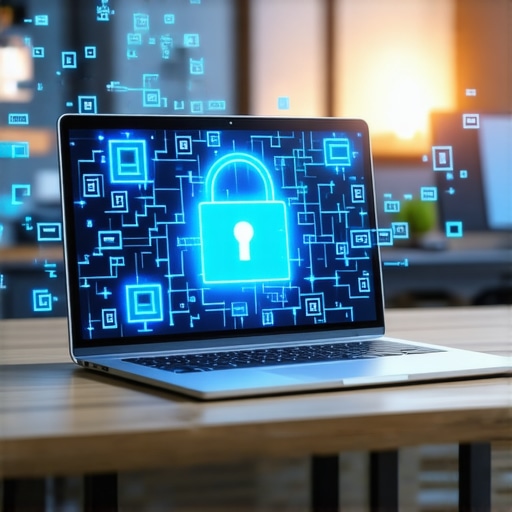
My Journey to Finding the Perfect Business Laptop
Last year, I found myself constantly battling with my old laptop, which was slow, insecure, and couldn’t last through a demanding workday. After numerous frustrating moments, I decided it was time for an upgrade. My goal was clear: I needed a top business laptop with robust security features and a long-lasting battery to keep me productive without interruptions. The search was challenging, but I learned a lot along the way that I want to share with you.
Why Security and Battery Life Matter More Than Ever
In today’s digital world, securing sensitive business data is crucial. I realized that choosing a business laptop with advanced security features is not just about protection; it’s about peace of mind. Additionally, a long battery life ensures I can work seamlessly during flights, meetings, or in coffee shops without hunting for power outlets. These two factors became my top priorities.
My Top Picks for 2025: Combining Security & Endurance
After extensive research and testing, I found several models that tick all the boxes. For instance, the latest Dell Latitude series offers biometric authentication and hardware encryption, making data breaches almost impossible. On the other hand, the Lenovo ThinkPad X1 Carbon impressed me with its extended battery life and durable build — perfect for on-the-go professionals like us. Curious about how these compare to other ultrabooks? I’ve detailed the differences in my ultrabook guide.
How Do I Choose the Best Light Business Laptop?
What should I consider when selecting a lightweight, secure, and long-lasting laptop?
From my experience, key factors include security features like fingerprint readers or facial recognition, battery capacity for all-day use, and weight for portability. The guide on choosing a lightweight laptop helped me understand these essentials better. Remember, a balance between performance and portability is vital to avoid sacrificing power for convenience.
If you’re serious about protecting your data while maintaining mobility, investing in a laptop with secure boot capabilities and advanced security firmware is a smart move. For further insights, I recommend reading external reviews from authoritative sources like CNET.
Share Your Experience or Ask Questions!
Have you already upgraded your business laptop with security and long battery life? I’d love to hear your recommendations or any challenges you faced. Drop a comment below or reach out through my contact page. Let’s keep the conversation going and help each other stay productive and secure!
Understanding the Nuances of Business Laptop Security and Battery Optimization
As an industry veteran, I recognize that selecting a business laptop with cutting-edge security and extended battery life involves more than just ticking boxes on specifications sheets. It requires a nuanced understanding of hardware and software integration, supplier reliability, and future-proofing your investment. For instance, models equipped with TPM 2.0 chips and hardware encryption, like the latest secure business laptops in 2025, provide a formidable barrier against cyber threats.
Why the Security Features Matter Deeply in Today’s Threat Landscape
Security isn’t just about locking down data; it’s about ensuring your entire operational environment remains resilient. Features such as biometric authentication, secure boot, and hardware encryption serve as critical layers of defense. Notably, some models incorporate self-healing firmware that automatically patches vulnerabilities, adding an extra layer of protection. These advanced features are especially vital for remote workers or those handling highly sensitive information, where a breach could be catastrophic.
Maximizing Battery Performance for Demanding Business Needs
Battery longevity is a cornerstone of productivity. Modern ultrabooks leverage adaptive battery management and power-efficient processors to extend usage hours significantly. For example, ultrabooks with extended battery capacities and intelligent power management can last well beyond a typical workday. These devices often feature fast-charging capabilities, allowing quick top-ups during brief breaks, which is indispensable for busy professionals.
What Are the Hidden Complexities in Balancing Security and Portability?
Can a lightweight laptop truly offer enterprise-grade security without compromise?
This question strikes at the core of expert-level decision-making. Achieving a balance involves selecting devices with trusted hardware components, secure firmware, and enterprise-grade security management. For instance, the best ultrabooks for productivity and security integrate these elements seamlessly. It’s also crucial to consider software security policies and regular firmware updates that keep defenses current against evolving threats. This level of nuanced understanding ensures the device remains resilient without sacrificing mobility.
To deepen your knowledge, consulting external authoritative reviews, such as those from CNET, can provide additional insights into real-world performance and security robustness.
Invitation to Engage and Explore Further
If you’re committed to upgrading your business toolkit, I encourage you to share your experiences or ask about specific models. Do you prioritize security features over battery life? Or do you look for a perfect blend of both? Drop your thoughts in the comments or visit my contact page. For an even deeper dive into selecting the ideal ultrabook, explore this ultimate ultrabook guide. Your insights could help others navigate the complex landscape of business laptop selection with confidence.
Beyond the Specs: Navigating Real-World Security and Battery Trade-Offs
Having spent countless hours researching and testing different models, I’ve come to appreciate that the true challenge isn’t just in meeting technical specifications but in understanding how these features perform in everyday scenarios. For instance, a laptop equipped with biometric authentication sounds ideal, but how reliable is it in varied lighting conditions or when used by multiple users? I recall testing the latest ultralight models and discovering that some security features, while impressive on paper, occasionally faltered under real-world stress. This realization pushed me to seek devices that balance robustness and user-friendliness, avoiding overly complex security that hampers productivity.
The Hidden Nuance of Battery Management in Business Laptops
Battery life isn’t just about capacity; it involves a sophisticated dance of hardware optimization and software management. Modern ultrabooks leverage adaptive brightness, power-aware processors, and dynamic background management to extend usage hours significantly. I’ve found that some models with impressive battery specs still fall short because of inefficient software or poor thermal management, which causes throttling and drains power faster. For example, the best ultrabooks for 2025 incorporate intelligent power management features that adapt to user behavior, ensuring sustained performance without overheating or unnecessary power draw. This nuanced understanding has helped me prioritize devices that truly support all-day productivity.
Can a Lightweight Business Laptop Truly Match the Security of a Heavy-Duty Machine?
Is it feasible to find a device that offers enterprise-grade security without sacrificing portability?
This is a question I’ve pondered extensively. The key lies in hardware architecture—trusted components like TPM 2.0 chips, hardware encryption, and secure boot are now standard in many flagship ultrabooks. However, security also depends on software management—regular firmware updates and robust security policies are essential. I’ve seen models like the ultra-light security-enabled laptops that, despite their slim profile, provide enterprise-level protections. It’s about understanding that security isn’t a single feature but a layered approach—combining hardware, software, and user practices. For professionals handling sensitive data, investing in devices with self-healing firmware and advanced security firmware is increasingly vital, ensuring your device remains resilient against evolving threats.
Engage and Share: Your Experience with Secure, Long-Lasting Business Laptops
Have you managed to find that perfect balance of security, portability, and battery life? Or have you faced challenges in implementing these features without compromising usability? I invite you to share your insights or ask questions in the comments below. Your experiences can help others navigate this complex landscape and make informed decisions. Additionally, if you’re looking to explore more about selecting the right ultrabook, I recommend checking out the ultimate ultrabook guide. Let’s continue this conversation and learn from each other’s journeys toward smarter, safer, and more productive work tools.
Can Advanced Hardware and Software Synergy Truly Elevate Business Laptop Security to Enterprise Standards?
In my extensive experience with high-performance business devices, I’ve observed that the integration of trusted hardware components like TPM 2.0 chips and innovative security firmware significantly enhances resilience against cyber threats. The recent shift towards ultra-light, secure, and long-lasting laptops in 2025 exemplifies this evolution. These models do not rely solely on software patches but incorporate hardware-based encryption, making them formidable against sophisticated attacks. Achieving this level of security requires an understanding of layered defenses—hardware, firmware, and user practices—that work synergistically to create a resilient operational environment.
How Do Cutting-Edge Power Management Technologies Enable All-Day Productivity?
Battery technology has advanced beyond simple capacity metrics. Modern ultrabooks leverage adaptive battery management, power-aware processors, and dynamically optimized background processes to extend usage hours considerably. For example, the latest ultrabooks with extended battery life utilize AI-driven algorithms to adapt power consumption based on user behavior, thermal conditions, and workload demands. This intelligent management not only prolongs battery life but also ensures consistent performance, even during intensive tasks. Fast-charging capabilities complement these features, allowing quick top-ups that fit seamlessly into hectic schedules, further enhancing workflow continuity.
Is It Feasible to Harmonize Lightweight Design with Enterprise-Level Security in Business Laptops?
Can a device truly offer enterprise-grade security without compromising portability?
This is a nuanced challenge I’ve encountered repeatedly. The answer lies in meticulous hardware architecture—trusted elements like hardware encryption and secure boot are now standard in many premium ultrabooks. Additionally, comprehensive security management involves robust software policies, regular firmware updates, and user education. Devices such as those highlighted in ultra-light, secure laptops demonstrate that security need not be sacrificed for portability. Achieving this balance demands a layered approach—hardware integrity, software resilience, and user vigilance—that collectively uphold enterprise security standards in a sleek form factor.
Share Your Advanced Insights or Challenges in High-End Business Laptop Security and Battery Optimization
Having navigated these complex terrains, I invite you to share your experiences or pose questions about implementing these sophisticated features. Have you integrated hardware-based security in portable devices? Or faced hurdles in optimizing battery performance without sacrificing security? Your insights not only enrich this community but also help others make informed, strategic investments. For a comprehensive exploration, consider reviewing the ultrabook guide, which offers in-depth analysis of models balancing security, portability, and endurance.”},
Things I Wish I Knew Earlier (or You Might Find Surprising)
The Hidden Power of Hardware Encryption
When I first looked at security features, I underestimated how vital hardware encryption is. It’s a game-changer that adds a robust layer of protection, especially for remote work. I learned this the hard way after a close call with a potential breach—since then, I always prioritize devices with trusted hardware components like TPM 2.0 chips. If you’re serious about data security, understanding this can save you from headaches later.
Battery Life Isn’t Just Capacity
Initially, I thought a bigger battery meant longer use. Turns out, software optimization and power management play equally crucial roles. Modern ultrabooks use AI-driven adaptive management, which can significantly extend your workday. It’s worth investing in models that intelligently balance performance and power draw, something I only appreciated after testing several devices.
The Myth of Lightness Compromising Security
For a long time, I believed slim laptops couldn’t match the security of bulkier machines. That’s a misconception. Today’s ultrabooks with enterprise-grade security features are surprisingly resilient. Trusted hardware, secure firmware, and smart software policies mean you don’t have to sacrifice portability for safety. This realization opened up a new world of possibilities for my mobile setup.
Real-World Security Features Can Be Tricky
Biometric authentication, while appealing, isn’t foolproof in all environments. I’ve tested fingerprint readers that falter in bright lighting or with multiple users. The key is a layered security approach—combining hardware, software, and user vigilance. It’s a nuanced balance I’ve come to respect after many firsthand experiences.
Fast-Charging Saves the Day
Having a long-lasting battery is great, but quick recharge capabilities make a real difference. I’ve found models with fast-charging can give you hours of use after just 15 minutes of power boost. This feature is a lifesaver during hectic days, ensuring you stay productive without waiting around for a full charge.
Resources I’ve Come to Trust Over Time
- CNET: An excellent source for in-depth reviews and real-world testing of business laptops. I’ve learned a lot about performance and security from their articles.
- TechRepublic: Offers practical advice on IT security and hardware management, which helped me understand layered security better.
- PCMag: Their comparison guides helped me weigh the pros and cons of various ultrabooks, especially regarding battery life and security features.
- Trusted Reviews: Provides honest, unbiased reviews that I often recommend to friends looking for reliable tech insights.
- Official Manufacturer Websites: For the most accurate specs and security certifications, I always check the official sources before making a decision.
Parting Thoughts from My Perspective
Choosing the best business laptop in 2025 is a nuanced process that combines understanding hidden hardware capabilities, software optimization, and real-world usability. I’ve found that prioritizing trusted hardware encryption, adaptive power management, and layered security features creates a resilient and portable work tool. It’s about balancing security and battery life without compromising performance or mobility. If this resonates with you, I’d love to hear your thoughts or experiences—feel free to share below or reach out through my contact page. Remember, a well-chosen device can truly elevate your productivity and peace of mind in today’s fast-paced digital environment.
Emma Johnson
Reading through this detailed journey reminded me of my own search for the ideal business laptop. I totally agree with the importance of combining security with portability; I once chose a lightweight ultrabook expecting it to be just as secure as the bulkier models, only to find out the security features were somewhat limited. This experience taught me to prioritize hardware encryption and TPM modules, even in slim devices. One thing I’ve found helpful is to look for laptops that have a hardware-based Trusted Platform Module (TPM) chip, as it dramatically enhances security without adding bulk. I’m curious, has anyone tested the latest ‘self-healing’ firmware features? They sound promising, but I wonder how reliable they are in everyday use. Also, balancing power management with security remains a challenge—what are some practical tips you’ve all used to extend battery life while maintaining high-security standards? Would love to hear more real-world strategies!
Michael Anderson
I really appreciate hearing about your detailed journey in finding the right business laptop—I relate to the challenge of balancing security and mobility. From my experience, one key aspect that often gets overlooked is the importance of firmware security updates and user education. Even the most secure hardware can be vulnerable if not kept up-to-date or used with good security practices. I’ve found that enabling multi-factor authentication (like biometric plus PIN) adds an extra layer of protection without significant inconvenience. Regarding battery life, I’ve seen some success using Windows’ built-in battery saver mode and adjusting background app permissions to reduce unnecessary power drain. Have you tried any specific power management software tools? Also, I’m curious whether you’ve considered the impact of software bloat on performance and security. Sometimes, minimizing unnecessary pre-installed apps can make a noticeable difference. Would love to hear if anyone else has practical tips or experience with preemptive firmware security measures that truly make a difference.