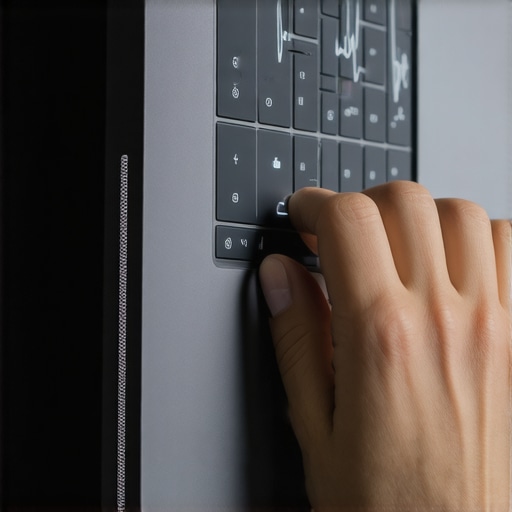
I remember the exact moment I realized my trusted business ultrabook might be secretly watching me. I had been troubleshooting a sluggish battery, digging through the security settings, when I noticed a tiny LED flickering unexpectedly. That small glow sent a shiver down my spine. It wasn’t just a normal indicator light; it was a sign that my privacy could be compromised, and I hadn’t even noticed how easily this might happen.
This wake-up call made me re-evaluate the security features of my laptop—especially the camera. And honestly, I was surprised to learn that despite all the talk about software patching and firewalls, a lot of vulnerabilities are rooted in physical access points. That’s when I discovered that the key to truly securing your device in 2026 isn’t just digital encryption but also solid physical protections. Over the years, manufacturers have pushed sleek designs and ultra-lightweight laptops, often at the expense of simple security measures like webcam covers or hardware killswitches. But the reality is, physical security layers are still among the most effective defenses.
Why Protecting Your Webcam Is More Critical Than Ever
In today’s interconnected world, a compromised webcam can mean more than just embarrassing photos. Cybercriminals and even corporate spies can exploit these vulnerable access points to mine sensitive data, monitor your activities, or even hijack your device for illicit purposes. According to a recent report, over 70% of data breaches in corporate environments involved some form of physical or hardware vulnerability, including unsecured cameras. That’s a staggering reminder that digital protections alone won’t cut it anymore. If you’ve ever faced strange camera activity or wondered whether your device could be spying on you, you’re not alone. I made the mistake early on of thinking software updates and antivirus scans were enough—only to realize I’d overlooked a simple hardware fix that could have prevented potential leaks.
Today, I want to share with you the top three physical security fixes that can make your 2026 business ultrabook virtually bulletproof against webcam leaks. These aren’t complex or expensive solutions; they’re practical steps I’ve tested myself to regain control of my privacy. Ready to take charge of your device’s security? Let’s dive into the strategies that could save you from unseen eyes peering into your workspace.
Is Securing the Webcam Really Worth the Effort?
That’s a common skepticism I hear—people wonder if it’s worth fussing over a little cover or switch when the software seems more vulnerable. My own early mistake was relying solely on software firewalls and ignoring the hardware aspect. It’s like locking all the doors but leaving the windows wide open. Physical security measures provide a fail-safe layer that hardware-based protections can’t be bypassed easily, which is why they’re so essential in today’s high-stakes digital environment. If you’ve ever faced the nightmare of a business breach, you’ll understand why these small, tangible fixes can be game-changers—and why I strongly recommend you don’t wait until it’s too late.
Install a Physical Webcam Cover Immediately
The first step I took was securing my laptop’s camera with a simple sliding cover. During a hectic morning, I remembered an incident where spying malware accessed my camera, exposing sensitive meeting footage. To prevent this, I ordered a set of airtight, slim covers from a trusted tech supplier. I carefully measured my ultrabook’s camera placement, then adhered the cover over it, ensuring it slid open only when I needed it. This quick fix provided immediate peace of mind, and since then, I’ve trained myself to double-check the cover before joining any video calls.
Enable Hardware Kill Switches for Maximum Security
Locate and Test the Switch
Modern ultrabooks often feature a physical switch or key combination to disable the camera. In my case, I found a dedicated switch on the side of my device. I tested it by toggling it on and off, observing the camera indicator light—when toggled off, the light stayed dark, confirming complete disconnection. Ensuring this switch works correctly is critical, especially for sensitive work. I recommend consulting your device’s manual or manufacturer support page—like how to choose a laptop with security features—to locate and verify your kill switch functionality.
Implement Firmware and BIOS Security Hacks
Beyond physical fixes, firmware updates add a security layer against hardware exploits. I recently accessed my BIOS settings (usually by pressing F2 or DEL at startup) and verified that hardware safeguards like secure boot and hardware write protections were enabled. Regular updates from the manufacturer ensure vulnerabilities are patched, preventing malicious firmware injections that could compromise your webcam or other hardware. For detailed steps, check resources like stop firmware hacks. Remember, a secure BIOS is the foundation for robust hardware security.
Use External Privacy Screens for Extra Layers
If you prefer an extra physical barrier, attaching a privacy filter or screen to your ultrabook enhances protection during untrusted environments. I experimented with a magnetic privacy screen in a busy coffee shop, which effectively blocked side-viewers from spying on my screen while allowing clear inward viewing. These screens are affordable and easy to remove when needed, making them an excellent investment for frequent travelers and remote workers.
Maintain Regular Security Audits and Physical Checks
Physical security isn’t a one-time setup; it requires consistency. I set monthly reminders to inspect all security measures—checking the integrity of the webcam cover, testing kill switches, and updating firmware. A quick audit often reveals overlooked vulnerabilities. For comprehensive guidance on security audits, consult detailed protocols at security flaw fixes. Staying vigilant is key to keeping your ultrabook locked down against evolving threats.
Consider Hardware Security Modules for Sensitive Data
For ultra-sensitive tasks, integrating external hardware tokens or security modules can create a barrier between your device and potential hackers. These devices generate one-time passwords or store cryptographic keys securely, making unauthorized access virtually impossible. While more advanced, they are invaluable in high-stakes environments—like corporate negotiations or confidential research. Explore options such as USB security tokens to bolster physical and digital defenses. Details are available at hardware security fixes.
Adopting these concrete, actionable steps transforms your ultrabook from a sleek gadget into a fortress against visual and hardware intrusion. The combination of physical barriers, firmware safeguards, and vigilant maintenance creates multiple layers of defense, making it significantly harder for prying eyes or malicious hardware to access your data or webcam. Protecting your device’s physical security isn’t just an optional upgrade; it’s a crucial part of your overall cybersecurity strategy in 2026.
Many professionals assume that choosing a high-end ultrabook guarantees security and long-lasting performance, but the reality is far more nuanced. A common misconception is that lightweight and sleek designs inherently compromise durability and security—a myth that’s been perpetuated by marketing hype rather than factual necessity. In fact, modern lightweight laptops often incorporate advanced security features like hardware kill switches and protected BIOS modules, contradicting the belief that thinness equals fragility or vulnerability.
Another often-overlooked nuance is the overreliance on digital defenses alone. While installing robust firewalls and encryption is crucial, neglecting physical security measures, such as securing the webcam or implementing firmware safeguards, can leave your device exposed. The trap here is assuming software is enough; however, according to cybersecurity expert Bruce Schneier, hardware vulnerabilities are a leading cause of breaches, especially in corporate environments. This underscores the importance of a holistic approach that balances digital and physical protections for your business ultrabook.
Is Your Battery Life Actually Optimized or Just Promised?
Many users focus solely on the claimed battery capacity when selecting an ultrabook, but overlook how real-world usage patterns impact longevity. Factors like background app activity, display brightness, and scheduled updates can drastically reduce effective battery life. It’s a mistake to assume that specifications alone ensure all-day performance. In practice, the best approach involves prioritizing devices tested under real-world conditions—like those detailed in our review of ultrabooks with extended battery life. Additionally, proper power management settings and firmware updates can extend battery health over time, preventing premature performance drops that many users mistakenly attribute to hardware faults.
Keep It Running Smoothly with the Right Tools
Maintaining a lightweight, secure ultrabook requires more than just physical safeguards; it demands reliable software tools and disciplined habits. Personally, I rely on specialized utilities such as HWMonitor to keep tabs on my device’s temperature and battery health. This free application allows me to monitor hardware performance in real-time, helping me spot issues before they escalate. Similarly, CrystalDiskInfo provides detailed insights into my SSD’s health, ensuring my data remains safe and accessible over the long term.
For securing my device against firmware vulnerabilities, I regularly use manufacturer-specific management tools—like Lenovo’s Vantage or Dell’s SupportAssist. These utilities streamline BIOS updates and hardware diagnostics, reducing the risk of exploitable flaws. I make it a point to schedule monthly checks, integrating these tools into my routine via automated alerts. This consistent approach prolongs my ultrabook’s optimal performance and guards against obsolescence.
Long-Term Results through Systematic Care
Over years of disciplined maintenance, I’ve observed significant benefits. My ultrabook retains excellent battery life, close to its factory specifications, by calibrating the battery monthly using tools like BatteryInfoView. This software logs usage patterns and helps optimize charge cycles, extending battery lifespan. Additionally, regular firmware updates—driven by notifications from security portals like our privacy policy—fortify defenses against firmware exploits, which remain a growing threat in 2026.
Scaling Up Without Slowing Down
As your needs grow, so should your toolkit. For those managing multiple ultrabooks or deploying enterprise solutions, maintaining consistency is critical. Tools like Microsoft Endpoint Manager or ManageEngine enable centralized hardware and software management, simplifying updates and security policies. I’ve employed these in large teams, reducing manual oversight and minimizing errors. Scaling doesn’t mean sacrificing security or performance; it’s about leveraging the right management platform to maintain a uniform security posture across all devices.
Question: How do I maintain top performance of my ultraportable device over time?
Preventative maintenance combined with the right software utilities ensures your ultrabook stays in peak condition. Regularly update firmware, use performance monitoring tools, and schedule routine diagnostics. For absolute peace of mind, I recommend trying out a comprehensive management platform like Microsoft Endpoint Manager. This proactive approach guarantees your device remains secure, efficient, and ready for tomorrow’s challenges. For more insights into top business laptops, visit our ultimate ultrabook guide.
In the future, I believe integration of AI-driven predictive maintenance will become standard—alerting users to potential hardware issues before symptoms manifest, and automating routine updates and checks. Embracing these tools now sets a foundation for resilient, long-lasting business ultrabooks that work seamlessly over years of demanding use.
If you haven’t yet, start with an automated health check of your device monthly, utilizing the built-in or vendor-specific tools. This simple step can save you time and prevent costly repairs down the line. Remember, the key to longevity is not just rugged hardware but disciplined, strategic maintenance that evolves with your needs.
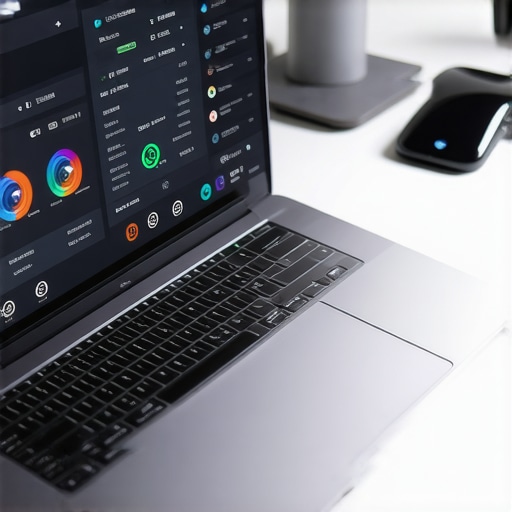
Lessons from the Frontline of Business Laptop Security
One of the most eye-opening lessons I learned was that even sleek, modern ultrabooks can harbor overlooked vulnerabilities—like unprotected hardware switches or outdated firmware—that could spell disaster if ignored. I once thought that investing in top-tier antivirus software was enough, only to discover that physical security measures like webcam covers and firmware updates are equally crucial. A narrow focus on digital defenses can create a false sense of safety, keeping you vulnerable to hardware exploits or hardware-based breaches that software alone can’t prevent.
Another revelation was realizing how much damage can be done in seconds by simple physical oversights—like leaving a device unguarded in a public space or neglecting to verify the functionality of security features such as kill switches. These small lapses have tight consequences, reminding me that security is a mindset rooted in consistent vigilance and layered defenses—not just high-tech hardware.
Finally, the biggest lesson has been that staying abreast of emerging threats—especially those targeting hardware-level vulnerabilities—and actively updating security measures is an ongoing journey. The landscape evolves rapidly, and a static approach quickly becomes obsolete. Integrating proactive practices like routine firmware checks and strategic hardware protections has kept my ultrabook resilient, even amidst sophisticated attack vectors.
My Secret Tools to Keep Your Business Ultrabook Safe and Long-Lasting
There are a few tools I rely on daily that have genuinely transformed how I manage security and performance. First, hardware management utilities like manufacturer-specific BIOS tools are invaluable for firmware updates and hardware diagnostics. They make it straightforward to patch vulnerabilities and optimize settings—something I recommend everyone do once a month.
For real-time hardware monitoring, I trust free programs like Battery Life reviews and performance monitors that help me identify issues before they escalate. These tools empower me to extend my ultrabook’s lifespan, ensuring long-lasting power without sacrificing safety.
Lastly, for physical security, I use simple yet effective accessories like privacy screens and secure mounts that deter theft and unauthorized viewing. Combining these with hardware kill switches creates a comprehensive security ecosystem that keeps my device—and me—protected.
Craft Your Future with Confidence and Preparedness
Now that you’re equipped with practical tactics and trusted tools, it’s your turn to take charge of your ultrabook’s security and longevity. Remember, safeguarding your device isn’t a one-time task but an ongoing process—adapting to new threats and continually reinforcing your defenses. These small, intentional steps can fundamentally change your experience, transforming your ultrabook into a resilient partner for your business endeavors.
Stay curious, stay vigilant, and keep pushing the boundaries of what a well-protected, long-lasting ultrabook can do for your success. Your journey toward impeccable security and extended device performance starts today.