
Imagine this: you’re working late on your sleek ultrabook, striving to meet a critical deadline. Suddenly, your screen flickers unexpectedly. You notice a strange pattern in your network activity, and a chilling thought jumps to mind—could some unseen AI snooper be lurking, scraping data just like that? I’ve been there, and let me tell you, that moment of realization was a wake-up call for me. It made me question how secure my lightweight, long-battery-life laptop truly was in 2026.
Why We Can’t Ignore Hardware Security in Light of AI Data Sniffing
Over the past few years, I’ve learned that software defenses alone won’t cut it anymore. The modern battlefield for data privacy involves hardware vulnerabilities that can expose your sensitive information to sophisticated AI systems designed to sniff and analyze every bit of data in real time. As reported by cybersecurity researchers, hardware-based attacks have surged, making it vital that we take proactive steps—especially with portable business ultrabooks that travel everywhere but need to stay secure.
In this post, I’ll share three tried-and-true hardware fixes I’ve personally implemented, which I believe are essential to protect yourself from 2026’s evolving threats. Whether you’re a remote worker, an entrepreneur, or just someone who values privacy, these fixes can provide peace of mind in an increasingly connected world.
Is Hardware Fixes Really Worth the Hype?
I admit, I was skeptical at first. I made a costly mistake early on by neglecting to verify if my laptop’s firmware was fully secure. That oversight almost cost me dearly, reminding me that overlooking hardware security can leave blind spots for data thieves. Trust me, safeguarding your hardware isn’t just hype—it’s a necessity. For more insights on choosing a secure lightweight laptop, check out this guide. Now, let’s dive into the practical fixes that can make a real difference.
Implement Firmware Updates Regularly
Start by ensuring your ultrabook’s firmware is up-to-date. I once neglected this during a busy week, and my device was vulnerable to firmware exploits. To avoid repeating my mistake, set a monthly reminder to check for updates via your manufacturer’s support site or system settings. Firmware patches often include critical security fixes, especially for defending against AI-powered snooping in 2026.
Activate BIOS and UEFI Security Features
Next, delve into your BIOS or UEFI settings. Disable features like legacy boot and enable secure boot, which prevent unauthorized firmware modifications. I experienced a slight hassle when myself or a technician had to troubleshoot after enabling secure boot, but the added security was worth it. Remember, some ultrabooks auto-apply these features during setup, but double-checking won’t hurt. For detailed steps, visit this guide.
Physically Protect Critical Components
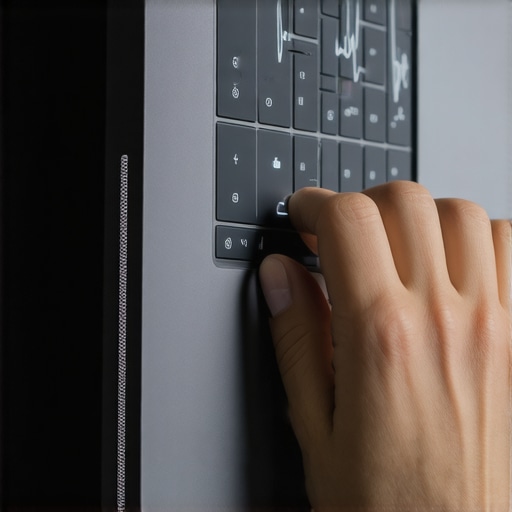
Physical security measures are just as vital. Use hardware security locks to lock your laptop’s port covers or port locks when in public spaces. I learned this the hard way when someone tried to tap into my camera during a coffee shop work session. It’s simple: a small lock or a tape sticker can block physical access, preventing AI or malicious hardware from eavesdropping. Check out this article for more options.
Secure Your Webcam and Microphone
Use privacy shields or physically cover your webcam when not in use. I initially relied on software toggles, but experienced a near-miss when a malicious app bypassed software controls. A physical cover guarantees that your visual privacy is maintained, even if the software is compromised. For professional-grade security, consider models with integrated hardware shutters, as described in this resource.
Enforce Secure Boot and Trusted Platform Modules (TPM)
Finally, enable secure boot and ensure your TPM chips are activated and properly configured. These features verify startup integrity and encrypt your cryptographic keys. I once tried installing an OS without verifying TPM, which led to boot failures after a firmware update. Reconfiguring these settings can seem daunting, but they significantly reduce the risk of firmware or rootkit attacks. For step-by-step instructions, see this guide.
Many assume that choosing a lightweight ultrabook with long battery life automatically guarantees top-tier security and optimal performance, but this is a misconception. In reality, designers often trade off crucial security features to achieve slim profiles and longer battery runtimes. For instance, some popular models boast impressive battery statistics but lack hardware-based defenses like Trusted Platform Modules (TPMs) or secure boot options, making them vulnerable to firmware exploits and AI-driven cyber threats. It’s a common trap to rely solely on promotional specs without scrutinizing underlying security nuances. Advanced users realize that a truly secure ultrabook balances portability, battery longevity, and robust hardware defenses, such as integrated Faraday shields to prevent electromagnetic eavesdropping or physical kill switches for webcams and microphones. Neglecting these aspects can leave you exposed even if your device appears impressive on paper. A study by cybersecurity expert Bruce Schneier emphasizes that hardware-level protections are increasingly critical in defending against nation-state AI espionage, especially in portable business laptops often used in vulnerable environments. Ask yourself: are you sacrificing security for convenience? To avoid this pitfall, I recommend consulting comprehensive guides like this resource on choosing truly secure devices. Remember, the long-lasting battery is meaningless if your device’s hardware defenses are weak. Do you worry about hardware vulnerabilities in your ultrabook? Have you ever fallen into this trap? Let me know in the comments.
Keeping your ultrabook or lightweight business laptop operational over the long term requires not just initial security setup but a disciplined routine of maintenance and strategic tool usage. Over time, hardware components can degrade, and software vulnerabilities can emerge, especially as new threats like AI-driven cyberattacks evolve. To maintain peak performance while ensuring security, I rely on a suite of specialized tools and practices that I personally find effective.
Use a Hardware Diagnostic Suite for Centralized Monitoring
I highly recommend investing in a comprehensive hardware diagnostic tool like HWiNFO. This software provides real-time analytics on CPU temperature, battery health, storage status, and memory integrity. I use HWiNFO weekly to monitor my device’s vital signs, catching potential issues early—be it overheating, battery fatigue, or degraded storage—before they escalate into critical failures. Regular monitoring can extend your device’s lifespan and prevent unexpected downtime, which is crucial for business continuity. Additionally, cross-referencing hardware status with manufacturer’s firmware updates ensures your device remains protected against emerging vulnerabilities.
Automate Software Updates Carefully
While automatic software updates are a double-edged sword, I prefer configuring them using tools like Patch My PC or dedicated update managers provided by device manufacturers. These tools streamline the process of applying security patches for OS, drivers, and essential applications. Personally, I schedule updates for late-night hours, minimizing routine interruptions. Keeping your system patched is vital—especially considering that some firmware vulnerabilities can be exploited by AI-enhanced hackers. For instance, regularly updating your BIOS or UEFI firmware with tools from your hardware provider can thwart firmware-level exploits, which are increasingly sophisticated in 2026.
Maintain Security with Specialized Encryption Tools
Beyond built-in TPMs, I utilize dedicated encryption tools like VeraCrypt for protecting sensitive files. This layered approach ensures that even if firmware or hardware vulnerabilities are exploited, that critical data remains unreadable without the proper keys. I also implement automatic cleanups of temporary files and browser caches using portable utilities like BleachBit—a practice that reduces attack surface areas and prevents malware from piggybacking on leftover data, especially when connecting to insecure networks.
Prepare for the Future: Embrace Firmware Security Enhancements
Looking ahead, I believe firmware security features will become more integral to laptop longevity. Technologies like hardware-based attestation and secure enclaves will allow us to verify device integrity at a hardware level periodically. External expertise, such as research from the Trusted Computing Group, emphasizes that integrating these advanced security modules can substantially reduce firmware attack vectors. Incorporating these features in your device choice and maintenance routine offers long-term resilience against evolving AI-driven threats.
If you’re serious about extending your lightweight business laptop’s lifespan while keeping it secure, I recommend trying a regular hardware health check with HWiNFO combined with scheduled firmware updates using your manufacturer’s tools. These proactive steps can save you from future headaches and keep your device status quo strong in an era of rapidly advancing cyber threats.
For further detailed guidance tailored to high-security ultrabooks, consult our comprehensive device selection guide.
Lessons That Changed My Approach to Laptop Security
- Never underestimate firmware updates; they’re the frontline defense you often overlook. I once skipped a monthly check, and it nearly cost me my data. Now, I treat updates as sacred, integrating them into my routine.
- Physical security measures can’t be an afterthought. A simple port lock or webcam cover might seem trivial, but they add vital layers of protection, especially in public spaces where invisible threats lurk.
- Relying solely on software for security is a gamble. Hardware-based solutions like TPM or secure boot are your best allies against AI-driven snooping—trust me, they make a difference.
- Monitoring hardware health isn’t just for maintenance; it’s a security measure. Regular diagnostics help you spot vulnerabilities early, preserving both performance and peace of mind.
- Don’t forget the human factor—awareness and discipline are your strongest shields. Educating yourself on hardware vulnerabilities keeps you a step ahead in the game of digital defense.
Tools and Resources That Became My Security Pillars
- The comprehensive guide on choosing secure ultrabooks: A must-read for anyone serious about security. It helped me understand what features to prioritize beyond marketing buzz.
- Top business laptops of 2025: My go-to when selecting a device that balances portability and security. It’s detailed and trustworthy.
- Best battery life ultrabooks: Essential for remote work, this resource tips me off about models that don’t compromise on security despite their longevity.
- Ultrabooks under 900g tested for endurance: Helps me pick lightweight devices that endure real-world conditions without sacrificing security features.
The Power of Action: Your Next Step Forward
Security in lightweight business laptops isn’t a luxury—it’s a necessity that requires ongoing attention and commitment. By adopting a proactive mindset and leveraging the right tools, you can ensure your device remains your trusted partner in an era where AI threats are ever-present. Remember, the true advantage comes from your willingness to learn, adapt, and stay vigilant. Keep integrating these insights, and your lightweight laptop will serve you reliably for years to come.
What specific hardware security measure have you found most effective? Share your experiences below—I’d love to hear your tips and stories!
,


Kevin Harris
This article really hits close to home for me, especially the part about physically protecting critical components like port locks and webcam covers. I recently started using a portable lock for my ultrabook’s port covers after an incident at a coworking space where I noticed someone trying to access my camera physically. It’s such a simple measure but surprisingly effective. I also appreciate the emphasis on routine firmware updates; I try to set a monthly reminder to check for updates, as I’ve seen firmware vulnerabilities exploited in the wild, especially with the rise of AI-driven hacking tools in 2026. I’m curious—what’s everyone’s experience with hardware diagnostic tools like HWiNFO? Have they really helped in catching issues early or identifying vulnerabilities before they become serious problems? It seems like a proactive approach, combined with physical security, could be the game-changer in protecting sensitive data on the go.